TL;DR
A computer hobbyist has recovered and executed a 1996-era windowed operating system in machine code on a homebuilt Am29000 computer. This demonstrates advanced reverse-engineering and preservation of vintage software.
A hobbyist has successfully reconstructed and executed a windowed operating system from 1996 in machine code on a homebrew computer built around the Am29000 processor. This achievement highlights efforts to preserve and explore vintage software environments on custom hardware, with implications for retro computing enthusiasts and digital preservationists.
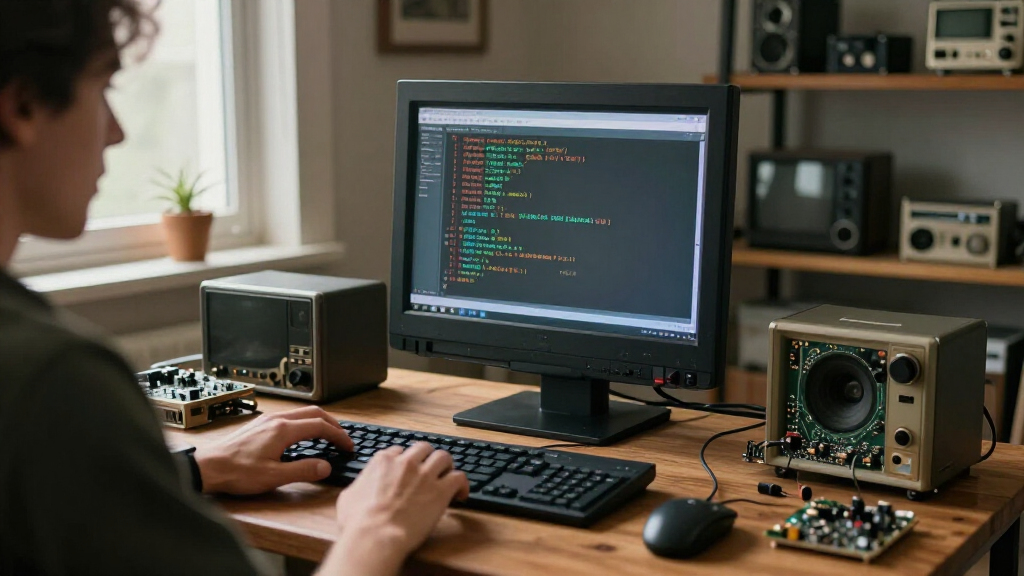
The project involved reverse-engineering the original OS code, which was designed for x86 architectures, and adapting it to run on the Am29000 processor, a RISC architecture from the early 1990s. The hobbyist, known online as ‘RetroDev’, documented the process of decompiling, translating, and reassembling the OS in machine code compatible with their custom hardware setup. The successful boot and display of a windowed graphical interface from 1996 mark a significant technical milestone in homebrew computing.
According to RetroDev, the process included analyzing the original binary, understanding its low-level routines, and rewriting critical portions to function on the Am29000 architecture. This effort required deep knowledge of machine language, hardware interfacing, and software emulation. The project was shared openly on a hobbyist forum, with detailed technical logs and code snippets.
Why Recreating 1996 OS on Custom Hardware Matters
This achievement demonstrates the potential for preserving and experiencing vintage software environments on modern or custom hardware, bridging the gap between historical software and contemporary hardware platforms. It highlights the skills involved in reverse-engineering proprietary or outdated operating systems, which can aid in digital preservation efforts. For the retro computing community, this represents a tangible step toward reviving and understanding computing history in a hands-on manner, beyond emulation.
Moreover, the project showcases the versatility of the Am29000 processor in running complex software from earlier eras, expanding the possibilities for hobbyists interested in hardware hacking and software archaeology. It also raises questions about the longevity and adaptability of vintage software, and how such efforts can contribute to educational and preservation initiatives.
Am29000 processor development board
As an affiliate, we earn on qualifying purchases.
As an affiliate, we earn on qualifying purchases.
Background on the 1996 Windowed OS and Am29000 Hardware
The 1990s saw the rise of graphical, windowed operating systems, with Windows 95 marking a major milestone. However, many early windowed OSes, especially those from the pre-Windows 95 era, are less well-preserved and understood, partly due to proprietary hardware dependencies. The Am29000 processor, introduced in the late 1980s, was used in embedded systems and workstations but was not common for consumer PCs.
The hobbyist community has long been interested in recreating or running vintage operating systems, often using emulators or original hardware. This project is notable because it involves porting a Windows-like environment from 1996 onto a completely different CPU architecture, which had not been documented or attempted publicly before. The effort builds on prior reverse-engineering work but is among the first to successfully execute such an OS on custom hardware with the Am29000.
“Reconstructing this OS was like solving a giant puzzle, translating decades-old code into a new architecture while preserving its graphical interface.”
— RetroDev
As an affiliate, we earn on qualifying purchases.
Technical Challenges and Limitations of the Project
While the project successfully booted the windowed OS, it remains unclear how fully functional the system is beyond initial display. It is not yet confirmed whether all features, drivers, and applications from the original OS can run properly on the Am29000 hardware. Additionally, the stability and performance of the system under extended use are still being evaluated.
Further technical details about the porting process and hardware modifications are still emerging, and the extent of compatibility with other vintage software remains uncertain.
As an affiliate, we earn on qualifying purchases.
Next Steps for Preservation and Expansion
RetroDev plans to document the porting process in detail and share the source code with the retro computing community. Future efforts may include porting additional software, improving system stability, and creating tutorials for hobbyists interested in similar projects. There is also interest in exploring how this approach can be applied to other vintage operating systems and hardware platforms.
Research into emulation or hardware emulation techniques may follow to facilitate wider access and testing of the ported OS.
As an affiliate, we earn on qualifying purchases.
Key Questions
What is the significance of running a 1996 OS on the Am29000?
This demonstrates the ability to preserve and experience vintage software on non-original hardware, expanding understanding of historical computing environments and showcasing advanced reverse-engineering skills.
Can this project run all features of the original OS?
It is not yet confirmed whether all features and applications are fully functional; initial success focused on booting and displaying the graphical interface.
Will this work on other hardware architectures?
The porting process was specific to the Am29000 architecture, but the techniques developed could inform similar efforts on other custom or vintage hardware.
Is this effort related to emulation or real hardware?
This project involves running the OS directly on a custom-built hardware platform, not an emulator, emphasizing hands-on hardware hacking.
What are the implications for digital preservation?
This project highlights how hobbyist efforts can contribute to the preservation and understanding of vintage software environments, complementing institutional archiving efforts.
Source: hn