TL;DR

Get business pricing on your home office setup
- Business-only prices and quantity discounts
- Tax-exempt purchasing
- Multiple users, one account, clear invoices
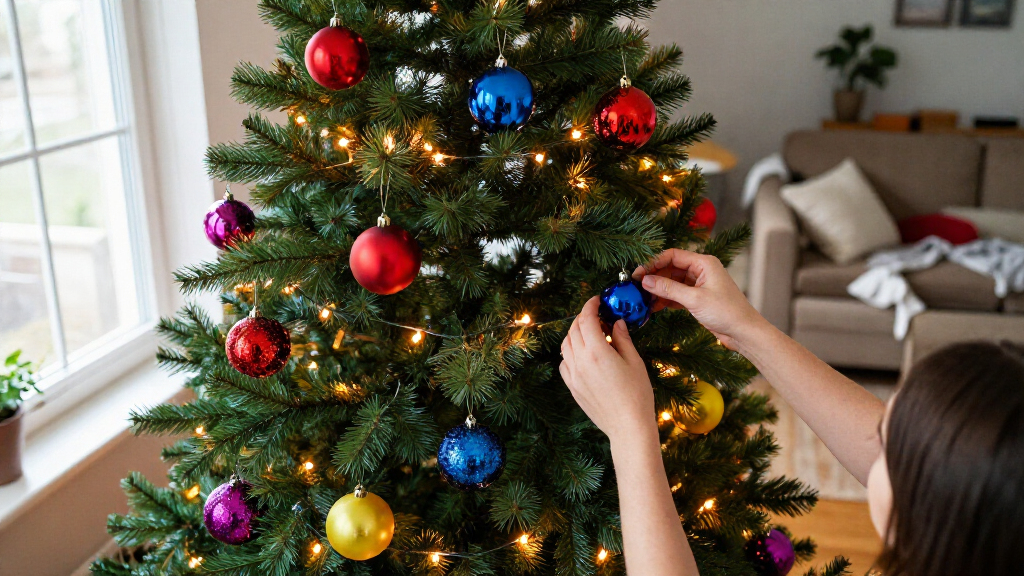
Three design experts say non-green Christmas trees can work when they complement a room’s existing palette, serve as a second tree in another space or reinforce a Christmas decorating theme. Their advice comes as the trend is reported to be less popular this year, though the source provides no sales data to measure that shift.
Three design experts say colourful Christmas trees can suit a home when they complement its interior palette, add festive decoration to a secondary room or support a planned Christmas colour scheme. Their advice, reported by Ideal Home, offers an alternative to the realistic green trees that the article says are currently more commonly sought by artificial-tree shoppers.
The experts do not recommend choosing a non-green tree simply because it is a trend. Their guidance is to decide how the tree will relate to the home’s existing decor and the overall festive look. David Sumner, sales manager at Christmas Tree World, said a tree in white, black, pink or silver could make a statement and change the feel of a room. That is design advice, rather than a claim that one colour is suitable for every home.
Rory Parkes, head of Christmas at B&Q, said an alternative-colour tree can work particularly well in a home that already uses blues, pinks, plums or rich jewel tones. Matching the tree and decorations to those colours, he said, can make the room feel more cohesive. Danielle Le Vaillant, head of photography and film at Cox & Cox, similarly said non-traditional trees can fit contemporary or minimalist interiors more naturally than a classic green tree.
The second recommendation is to use a colourful tree as an additional tree, rather than as a replacement for the main one. Le Vaillant suggested placing one in a hallway, bedroom, conservatory or dining room so that festive decoration extends beyond the main living space. The report also gives the example of Ideal Home editor in chief Heather Young keeping a gold tree she had tested and later using it in her kitchen.
The third approach is to choose a tree that supports a specific Christmas colour theme. Sumner described white as wintery and elegant, pink as playful or romantic, and black as potentially sophisticated with gold decorations and warm lighting. These are his characterisations of styling possibilities, not objective effects guaranteed by the tree colour. The practical point is to consider the tree, lights and ornaments together.
How a Tree Changes a Room
For shoppers, the advice turns a seasonal style question into a decision about where the tree will go and what it needs to work with. A bright or dark tree may feel out of place if it clashes with the room, but could feel more integrated when it echoes colours already present in the furnishings or decorations. That makes the existing palette a useful starting point before buying a tree or ornaments.
Using a second tree can also spread decoration across the home without asking one large tree to serve every room. A smaller or differently coloured tree in a kitchen, bedroom or hallway can create a separate festive look. The report does not compare costs, environmental impacts or durability between green and colourful trees, so its recommendations are limited to styling and placement.
non-green Christmas tree artificial
As an affiliate, we earn on qualifying purchases.
As an affiliate, we earn on qualifying purchases.
The Shift From Green Trees
The report describes classic green, realistic-looking artificial trees as the more common choice among shoppers looking for an artificial tree. It also says colourful trees have been a major festive trend over the past couple of years, while becoming less popular this year. The article frames traditional green as a continuing preference, not as the only appropriate option.
It does not give sales figures or a defined period for the reported change in popularity. It cites Pinterest UK data showing a 750% increase in searches for “burgundy and gold Christmas tree,” but the supplied report does not state the search period or comparison baseline. The figure therefore indicates a reported rise in searches, but cannot establish how broad or lasting the trend is.
The report also mentions champagne, burgundy and snowy pink trees among product examples. Those examples illustrate the range of colours available; product listings and prices do not, by themselves, show how widely each style is being bought. The expert recommendations focus on matching a tree to a room or decorating plan rather than on any particular brand.
“Colourful trees work especially well when they complement the rest of the room.”
— Rory Parkes, head of Christmas at B&Q
As an affiliate, we earn on qualifying purchases.
What the Trend Data Shows
The report does not provide market data confirming that colourful trees are losing popularity, nor does it define the period meant by “this year.” The 750% Pinterest search increase is not accompanied in the supplied material by a time window or comparison baseline, so it should not be read as a measure of purchases or overall consumer demand.
It is also unclear how the three experts’ recommendations apply across different room sizes, budgets or household needs; the report offers general design guidance, not testing of tree performance. Its comments about how colours make a room feel are attributed opinions. Readers would need to assess their own space, lighting and decorations to decide whether a particular colour works for them.
pink Christmas tree for living room
As an affiliate, we earn on qualifying purchases.
As an affiliate, we earn on qualifying purchases.
Choosing a Tree for Your Home
The report sets out no scheduled follow-up or further announcement. For shoppers weighing up a colourful tree, the experts’ suggested next step is to identify the tree’s role: match the room’s existing decor, place it in a secondary space or use it to carry a Christmas colour theme. Then consider how its shade will work with ornaments and lighting before making a purchase.
Whether alternative-colour trees regain popularity during the 2026 season remains uncertain. The source offers expert styling recommendations and examples of available products, but no later sales figures or trend data that would settle that question.
colorful Christmas tree for secondary space
As an affiliate, we earn on qualifying purchases.
As an affiliate, we earn on qualifying purchases.
Key Questions
When do colourful Christmas trees work well?
The experts say they can work when their colour complements the room, when the tree is used in a secondary space, or when it supports a planned Christmas decorating theme.
Which colours did the experts discuss?
The report mentions white, black, pink and silver. Sumner described white as wintery, pink as playful or romantic, and black as potentially sophisticated with gold decorations and warm lighting. These are styling suggestions, not fixed rules.
Can a colourful tree be used as a second tree?
Yes. Le Vaillant suggested using an alternative tree in a hallway, bedroom, conservatory or dining room to extend festive decoration beyond the main room.
Are colourful Christmas trees becoming less popular?
The Ideal Home report says the trend is becoming less popular this year, but it supplies no sales figures or defined period to verify the scale of that change. Its cited Pinterest search increase also lacks a stated time window and comparison baseline.
Source: rss
Halloween Picks
halloween
As an affiliate, we earn on qualifying purchases.