
TL;DR

Get business pricing on your home office setup
- Business-only prices and quantity discounts
- Tax-exempt purchasing
- Multiple users, one account, clear invoices
Livingetc published advice from six interior designers on making a bedroom feel cozier, with suggestions including layered lighting, tactile materials, a restrained color palette and carefully balanced patterns. The tips are design guidance, not reported results from a study; costs, installation needs and individual preferences will vary.
Livingetc has published six interior designers’ tips for making a bedroom feel cozier this autumn, recommending changes to lighting, color, pattern and texture. The advice matters to readers planning a more inviting sleeping space, though it reflects the designers’ professional opinions rather than measured evidence that particular choices improve sleep.
The designers’ suggestions range from small decorative adjustments to broader choices about a room’s finishes. Josh Greene, founder of New York-based Josh Greene Design, recommends using pattern in a considered way, either by mixing prints or repeating one pattern. He says scale, balance and color value help keep the look cohesive. Livingetc also describes “pattern sprinkling” as a way to introduce smaller doses without overwhelming the room.
Ben Leavitt, creative director of PlaidFox Studio, advises keeping the color palette limited but carrying it through the room, including the walls. The source suggests earth tones as one route to warmth, while noting that color can also be introduced through bedding and accessories rather than a full repaint. Joel Donovan, founder of The Interiors Concierge, favors whimsical details that add personality, such as an unexpected pattern or decorative object.
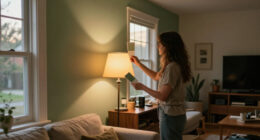
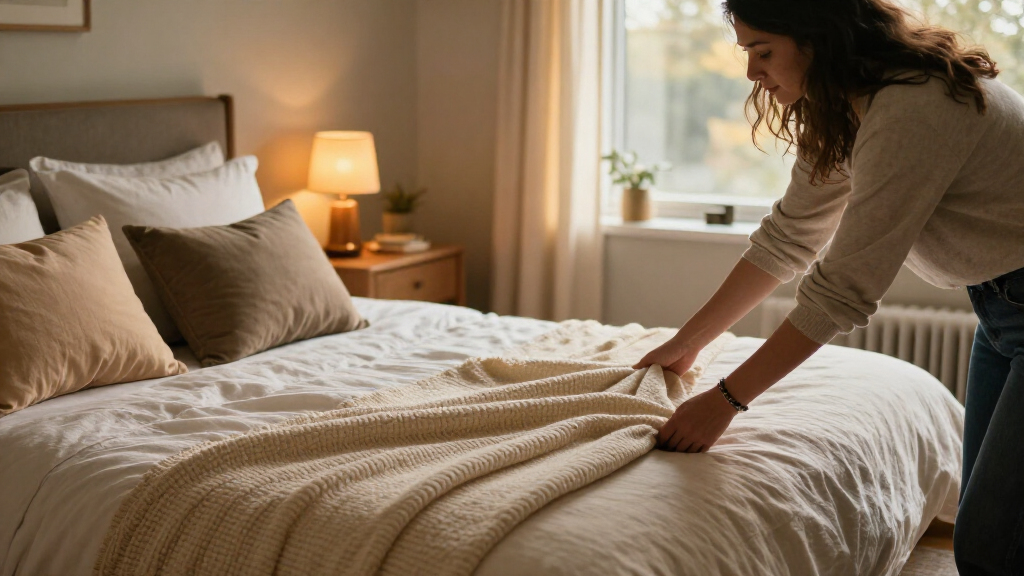
For lighting, Laura Hammett of London-based Laura Hammett Design recommends combining ambient, accent and task lighting instead of relying only on an overhead fixture. Examples in the report include wall lights, table lamps and concealed LED strips. Nashmita Rajiah, a London-based interior architect and designer, says varied textures can make a calm palette feel more enveloping, citing materials such as grasscloth, bouclé and deep-pile wool alongside layered fabrics on the bed and windows.
Small Choices Shape Bedroom Comfort
The recommendations give readers several ways to adjust a bedroom without treating coziness as a single purchase or a full-room renovation. Changing lamps, adding a throw or introducing a patterned cushion can be approached as smaller steps; painting walls or adding textured finishes may take more time and money. The report does not compare costs or establish which option works best.
The advice also highlights that coziness is subjective. Some people may prefer a quiet, restrained room, while others may find pattern and playful accents more welcoming. Lighting and texture are presented as design tools for changing how a room looks and feels, not as a guarantee of better sleep or wellbeing.
As an affiliate, we earn on qualifying purchases.
Six Designers, Six Design Angles
The source is a Livingetc advice article bringing together views from six design professionals: Josh Greene, Ben Leavitt, Joel Donovan, Laura Hammett, Nashmita Rajiah and one additional designer whose name and advice are not included in the supplied material. The available excerpt details five distinct recommendations and does not provide the sixth designer’s contribution.
The piece frames the tips as autumn ideas for a sleeping space. Its guidance concerns interior design choices and examples of materials or fixtures; it does not report a new product launch, formal design standard or independent research finding. The recommendations should be read as attributed expert opinion, with the result depending on a room’s existing layout, finishes and the resident’s taste.
“Whether you mix contrasting prints or repeat one soothing pattern throughout, the key in a bedroom is balance, scale, and color value.”
— Josh Greene, founder of Josh Greene Design, as quoted by Livingetc
As an affiliate, we earn on qualifying purchases.
What the Advice Does Not Establish
The supplied source material does not include the full sixth tip, and it gives no date for the article’s publication. It also does not provide testing, sleep data or reader feedback to show whether the suggested changes have measurable effects on comfort or sleep. The advice is attributed to designers and should not be treated as medical guidance.
Practical details are also not covered: the report does not give budgets, room dimensions or product-performance comparisons. Whether a particular color, finish or lighting arrangement suits a bedroom will depend on its layout, existing light and the people using it.
As an affiliate, we earn on qualifying purchases.
How Readers Can Apply the Ideas
The article offers no scheduled follow-up or next milestone. Readers can use its suggestions as starting points, trying lower-commitment changes such as adding a lamp, layering bedding or introducing a small patterned accent before making larger changes to paint or wall finishes. The source does not rank these options or say which produces the greatest effect.
Anyone considering electrical work for new wall lights or concealed LED strips should consult a licensed electrician and follow local code and permit requirements; power should be isolated before any work, with appropriate safety precautions. For purely decorative choices, testing colors and fabric samples in the room’s actual lighting can help clarify personal preferences before a larger purchase.
ambient LED strip lighting for bedroom
As an affiliate, we earn on qualifying purchases.
As an affiliate, we earn on qualifying purchases.
Key Questions
What are the main ways the designers suggest making a bedroom feel cozier?
The reported ideas include layered lighting, varied textures, a coordinated color palette, balanced patterns and playful details. The supplied excerpt does not include the full sixth designer’s recommendation.
Do the designers say a bedroom needs to be repainted?
No. Ben Leavitt recommends carrying color across the room, but Livingetc also notes that readers can add color through bedding and decor rather than repainting walls.
What does layered bedroom lighting mean in this report?
Laura Hammett recommends combining types of light, including ambient, accent and task lighting. Examples include wall lights, table lamps and concealed LED strips, rather than relying only on an overhead fixture.
Are these tips proven to improve sleep?
The source presents interior design advice and does not cite sleep research or measured outcomes. It does not establish that the suggested changes improve sleep.
Source: rss
Halloween Picks
halloween
As an affiliate, we earn on qualifying purchases.