
TL;DR
London Underground has initiated a program to scan passengers’ faces using facial recognition technology. The move aims to enhance security but has sparked privacy debates. The program is currently in trial phases with confirmed pilot stations.
London Underground has started implementing facial recognition technology to scan passengers’ faces at select stations, confirmed by Transport for London (TfL). This marks the first phase of a pilot program aimed at improving security and managing passenger flow. The initiative has attracted attention due to privacy concerns and the potential implications for passenger rights.
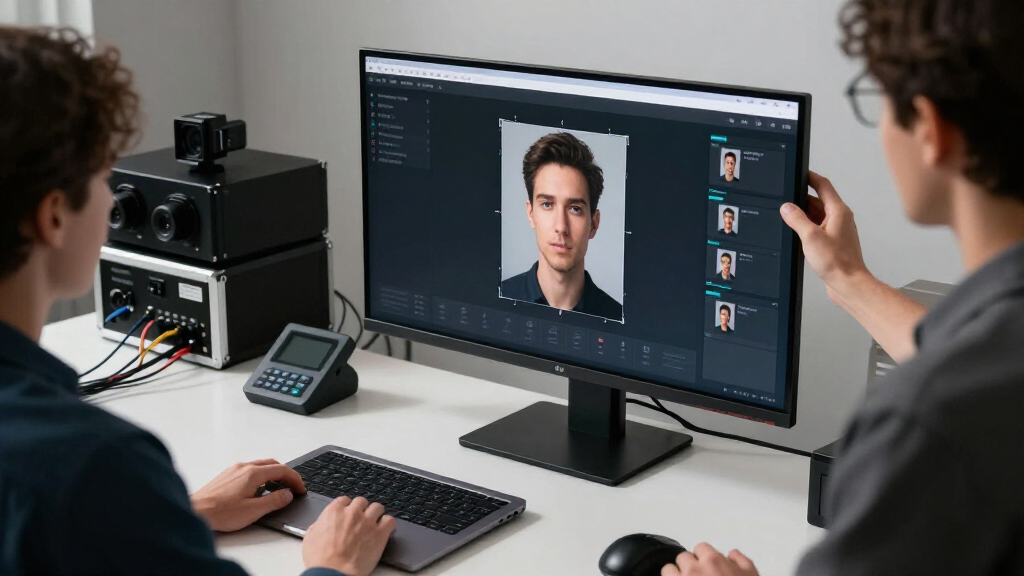
According to TfL, the face scanning technology is currently operational at three central London stations as part of a trial launched in late October 2023. The system captures facial images of passengers entering the stations and compares them against a database of wanted individuals or persons of interest. TfL officials state that the technology is designed to enhance security and reduce fare evasion.
Passengers at the pilot stations have been notified via signage and announcements about the face recognition process. TfL emphasizes that the data collected is anonymized and stored securely, with strict access controls and deletion protocols. The program is being monitored by independent oversight bodies to evaluate its effectiveness and privacy impact.
Privacy advocates and passenger rights groups have voiced concerns, questioning how the data is stored, used, and potentially shared with other agencies. Critics argue that widespread facial recognition could lead to surveillance overreach and infringe on civil liberties.
Implications for Passenger Privacy and Security
The deployment of facial recognition technology on the London Underground signifies a significant shift towards increased surveillance in public transportation. While officials argue it will improve security and operational efficiency, critics warn it could set a precedent for mass monitoring and erode privacy rights. The trial’s outcomes may influence future policies on biometric data use in public spaces across the UK.
facial recognition security camera
As an affiliate, we earn on qualifying purchases.
As an affiliate, we earn on qualifying purchases.
Background on Facial Recognition Trials in London Transit
London has experimented with facial recognition technology in various contexts over the past few years, primarily for security at large events and in police operations. The current pilot on the Underground is the first large-scale attempt to integrate it into daily public transit. Similar initiatives have been tested in other cities worldwide, often sparking debates about privacy versus safety.
Transport for London announced plans earlier this year to explore technological upgrades aimed at improving passenger safety and operational management. The face scanning program is part of this broader modernization effort, which includes CCTV enhancements and data analytics tools.
“The facial recognition system is a secure, privacy-preserving tool designed to assist in security screening and operational efficiency at selected stations.”
— Transport for London spokesperson
biometric facial recognition device
As an affiliate, we earn on qualifying purchases.
As an affiliate, we earn on qualifying purchases.
Unclear Aspects of Data Use and Long-term Plans
It is still unclear how long the facial recognition system will remain active at the pilot stations, what the criteria are for expanding or halting the program, and how data will be managed beyond the trial. Details about data sharing with law enforcement or other agencies have not been publicly disclosed, and independent oversight reports are pending.
privacy protection face recognition
As an affiliate, we earn on qualifying purchases.
As an affiliate, we earn on qualifying purchases.
Next Steps in Evaluating Facial Recognition on the Tube
TfL plans to monitor the pilot program closely over the coming months, collecting data on security benefits and privacy impacts. An evaluation report is expected early next year, which will determine whether the system will be expanded, modified, or discontinued. Public consultations and stakeholder feedback are also anticipated in the process.
Key Questions
Is face scanning mandatory for all passengers?
No, the face scanning is currently limited to select stations as part of a trial. Passengers are informed via signage, and participation is not compulsory.
How is passenger privacy protected during face recognition?
According to TfL, the system uses anonymized data, and images are stored securely with strict access controls. Data is deleted after the trial period unless further decisions are made.
Will the face recognition system be expanded across the entire London Underground?
It is not yet clear. The current pilot will be evaluated for effectiveness and privacy impact before any decision on expansion is made.
Details about data sharing with law enforcement have not been publicly disclosed, but privacy advocates have expressed concerns about potential misuse.
What are the legal protections for passengers’ biometric data?
Legal protections are still evolving, and critics argue existing data protection laws may not fully address biometric privacy concerns in this context.
Source: hn