
TL;DR
Washington D.C. has announced that its network of smart composting bins has reached a major collection milestone. This development highlights the city’s efforts to improve waste diversion and promote sustainable practices in urban environments.
Washington D.C. announced that its network of smart composting bins has reached a significant collection milestone, marking a notable achievement in the city’s efforts to enhance urban waste management and sustainability. The milestone indicates increased participation by residents and the effectiveness of the city’s composting initiative, which aims to divert organic waste from landfills and reduce greenhouse gas emissions.
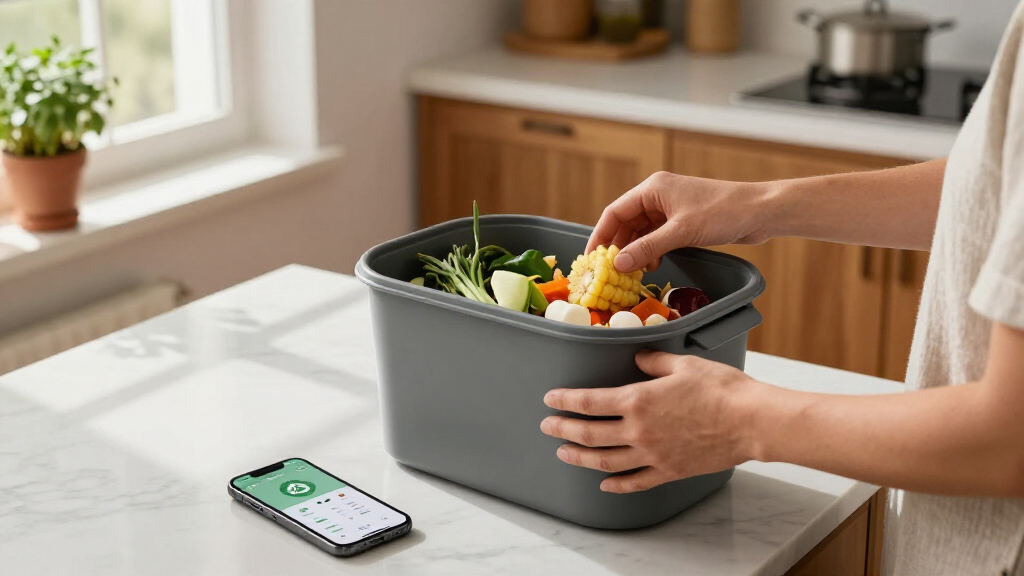
The milestone was achieved after several months of operation, with the city reporting that the smart composting bins have collectively collected over 500 tons of organic waste since their deployment. These bins, equipped with sensors and data-tracking technology, are part of a broader initiative launched by Washington D.C. to encourage residents to compost food scraps and yard waste. The program, which began in select neighborhoods and has expanded citywide, aims to reduce the volume of waste sent to landfills, lower methane emissions, and promote sustainable urban living. Officials from the D.C. Department of Public Works stated that the milestone reflects growing community engagement and the potential of smart waste technology to improve waste diversion rates. The composting program is also supported by partnerships with local environmental organizations and waste management firms, which provide collection and processing services.While specific figures on participation rates are not yet publicly available, city officials emphasized that the increase in organic waste collection is a positive sign of public acceptance. The smart bins are designed to notify users when they are full and provide real-time data on waste volumes, helping optimize collection routes and reduce operational costs. The city plans to analyze the collected data to further refine the program and expand its reach. The composting initiative is part of Washington D.C.’s broader climate and sustainability goals, which include reducing greenhouse gas emissions by 50% by 2032.
Why the Composting Milestone Matters for Urban Sustainability
This milestone demonstrates the potential for smart waste management technology to significantly increase organic waste diversion in urban environments. By reaching over 500 tons of collected waste, Washington D.C. showcases how targeted initiatives can engage residents and reduce landfill dependency. The success of the program could serve as a model for other cities seeking to meet climate goals, improve waste diversion rates, and promote sustainable urban living. Additionally, the use of sensor-equipped bins highlights the role of technology in optimizing city services, reducing operational costs, and tracking environmental impact in real time. As cities face increasing pressure to manage waste more efficiently and sustainably, Washington D.C.’s progress underscores the importance of innovative solutions in municipal waste programs.
As an affiliate, we earn on qualifying purchases.
Background on D.C.’s Urban Composting and Smart Waste Initiatives
Washington D.C. has been actively working to improve its waste management practices, with a focus on increasing recycling and composting rates. The city’s composting program was expanded in 2022 as part of its climate action plan, aiming to divert organic waste from landfills where it produces methane, a potent greenhouse gas. The deployment of smart composting bins was a strategic move to leverage technology for better waste tracking and community engagement. Prior to this milestone, the city had pilot programs and smaller-scale efforts to promote composting, with initial success in certain neighborhoods. The integration of sensor-enabled bins aligns with broader trends toward smart city solutions, which aim to improve efficiency and environmental outcomes through data-driven management. While the milestone is a promising indicator, it is still early to determine long-term impacts or whether the program will meet future waste diversion targets.
As an affiliate, we earn on qualifying purchases.
Unconfirmed Details About Long-Term Impact and Expansion Plans
It is not yet clear how much the milestone will influence future expansion plans or whether the city will meet its broader waste diversion and climate goals. Specific data on participation rates, operational costs, and the environmental impact of the collected waste remains limited. Additionally, the sustainability of the program beyond the initial phases and its scalability to other districts or cities is still under consideration. Officials have indicated ongoing analysis of data collected from the smart bins, but concrete projections or commitments for further expansion have not been publicly announced.
automatic compost bin for yard waste
As an affiliate, we earn on qualifying purchases.
As an affiliate, we earn on qualifying purchases.
Next Steps for Washington D.C.’s Smart Composting Program
The city plans to continue monitoring and analyzing data from the smart composting bins to assess their effectiveness and identify areas for improvement. Future efforts may include expanding the program to additional neighborhoods, increasing public outreach, and integrating more advanced sensors or features. Officials also intend to publish detailed reports on waste collection volumes, participation metrics, and environmental benefits. The city will likely evaluate whether to set new targets based on current progress and explore partnerships to enhance the program’s reach and impact. The next milestone could involve reaching a specified waste diversion percentage or expanding the network of smart bins further across Washington D.C.
compost bin with real-time data tracking
As an affiliate, we earn on qualifying purchases.
As an affiliate, we earn on qualifying purchases.
Key Questions
How many smart composting bins are currently in use in Washington D.C.?
The exact number of smart composting bins deployed across the city has not been publicly specified, but the program has expanded significantly since its launch, covering multiple neighborhoods.
What types of waste are collected in these smart composting bins?
The bins are designed to collect organic waste, including food scraps and yard waste, which are suitable for composting.
Will the compost produced be used locally or sold?
Details about the end use of compost produced from the collected waste have not been disclosed, but typically, city programs either use it for local landscaping or partner with composting facilities for processing and distribution.
Are there any incentives for residents to participate in the composting program?
Information about specific incentives has not been provided, but the city promotes participation through educational campaigns and community engagement efforts.
What are the environmental benefits of this composting milestone?
The primary benefits include reducing landfill waste, lowering methane emissions, and promoting sustainable waste management practices in the city.
Source: local