
The most effective way to reduce your walking pad’s noise is by properly maintaining its belts and internal components. Regularly inspecting and tightening loose screws, cleaning dust from the motor and belt area, lubricating moving parts, and adjusting belt tension can make a big difference. These simple maintenance steps prevent vibrations and grinding sounds, ensuring quieter, smoother operation. Keep up with these routines, and you’ll find your walking pad stays quieter longer—discover more tips to keep it whisper-quiet.

Get business pricing on your home office setup
- Business-only prices and quantity discounts
- Tax-exempt purchasing
- Multiple users, one account, clear invoices
Key Takeaways
- Regularly tighten and align the belt to prevent squeaking and rattling.
- Lubricate moving parts with recommended oil to reduce friction and noise.
- Ensure the walking pad is on a level, stable surface to minimize vibrations.
- Use anti-vibration pads or mats underneath to absorb shocks and dampen sound.
- Keep the belt and motor area clean from dust and debris for smoother, quieter operation.
As an affiliate, we earn on qualifying purchases.
Why Is My Walking Pad So Noisy?
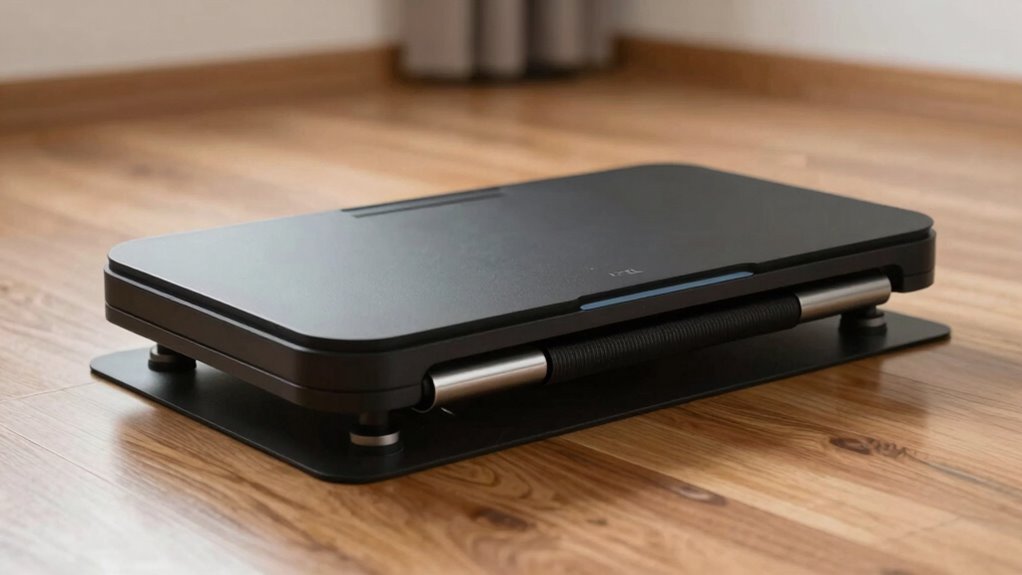
If your walking pad has suddenly become louder than usual, there could be several reasons behind the noise. One common cause is wear and tear, which affects the walking pad aesthetics and can make it noisier over time. Additionally, the noise reduction technology built into some models may be malfunctioning or less effective, leading to increased sound levels. Loose or misaligned parts can also generate extra noise, so checking for loose screws or components helps. Dust or debris in the motor or belt area can cause grinding sounds, too. Regular maintenance, including cleaning and tightening, can keep your walking pad quieter. Upgrading to models with advanced noise reduction technology can further minimize disruption during your workouts. Proper ventilation can also help reduce overheating that might contribute to noise issues. Ensuring the motor and belt are properly lubricated and aligned is essential for optimal performance and noise reduction. Additionally, paying attention to wear and tear on the moving parts can help prevent unexpected noise increases. Regularly inspecting internal components can identify early signs of damage that may lead to increased noise. Being aware of dust accumulation and cleaning it regularly can significantly improve noise levels and machine longevity.
As an affiliate, we earn on qualifying purchases.
Choosing the Right Floor for Quieter Workouts
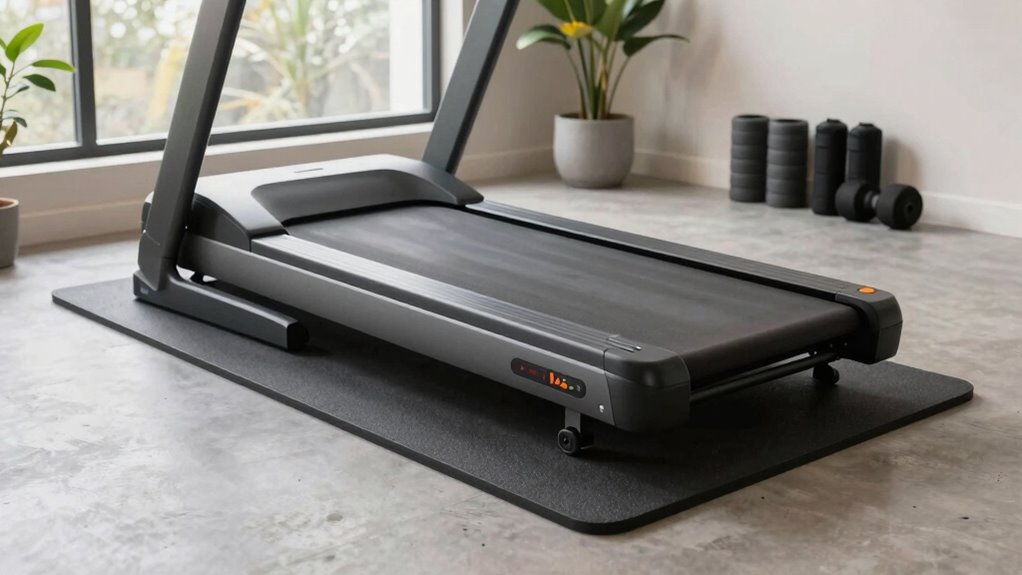
Choosing the right floor surface can notably reduce noise during your workouts. Opt for flooring with good floor cushioning, as it absorbs vibrations and muffles sound. Rubber or foam mats are excellent choices because they provide a softer surface that minimizes impact noise. Soundproof mats are specifically designed to dampen noise and reduce vibrations, making your workouts quieter for yourself and others nearby. Avoid hard surfaces like concrete or tile, which reflect sound and amplify noise. Instead, layer your workout area with thick mats or cushioned flooring to create a quieter environment. Proper flooring not only enhances comfort but also considerably decreases the noise generated by your walking pad, making your workouts more discreet and less disruptive. Incorporating sound absorption techniques into your flooring choices can further enhance noise reduction and promote a more biodiverse environment by reducing noise pollution that can disturb surrounding habitats. Additionally, selecting flooring with vibration dampening properties can help minimize the transmission of impact sounds and improve overall workout comfort. Using materials with impact absorption capabilities can also contribute to a more comfortable experience and further decrease noise levels. Moreover, choosing flooring with shock-absorbing qualities can significantly improve the overall stability and safety during your workouts.
walking pad noise reduction accessories
As an affiliate, we earn on qualifying purchases.
As an affiliate, we earn on qualifying purchases.
How to Adjust Your Walking Pad for Less Noise
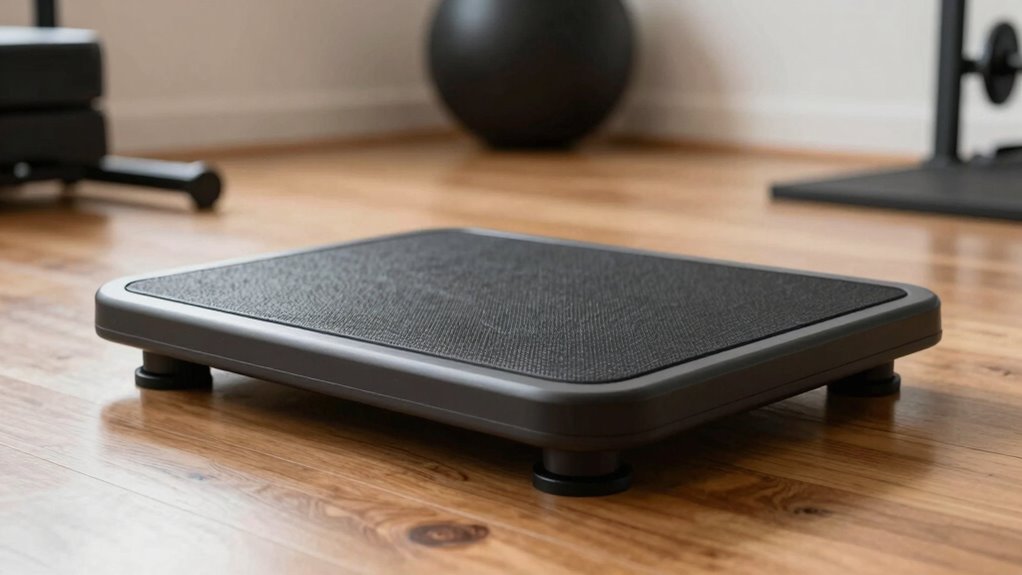
To minimize noise from your walking pad, start by checking and tightening all moving and contact points regularly. Proper walking pad placement on a level, non-slip surface helps reduce vibrations and noise. Next, consider footwear selection; sturdy, well-fitting shoes dampen impact and lower sound levels. Using smart home technology devices can also help monitor and manage noise levels more effectively. Ensuring the device is on a stable base can significantly reduce vibrations and noise. Additionally, understanding narcissistic behavior can help you identify any underlying issues that may contribute to improper device maintenance or neglect, ultimately improving its performance and noise levels. Regular maintenance and awareness of user behavior can also play a crucial role in noise reduction. Here’s what to do:
- Make sure your walking pad is on a stable, flat surface.
- Tighten any loose bolts or screws on the frame.
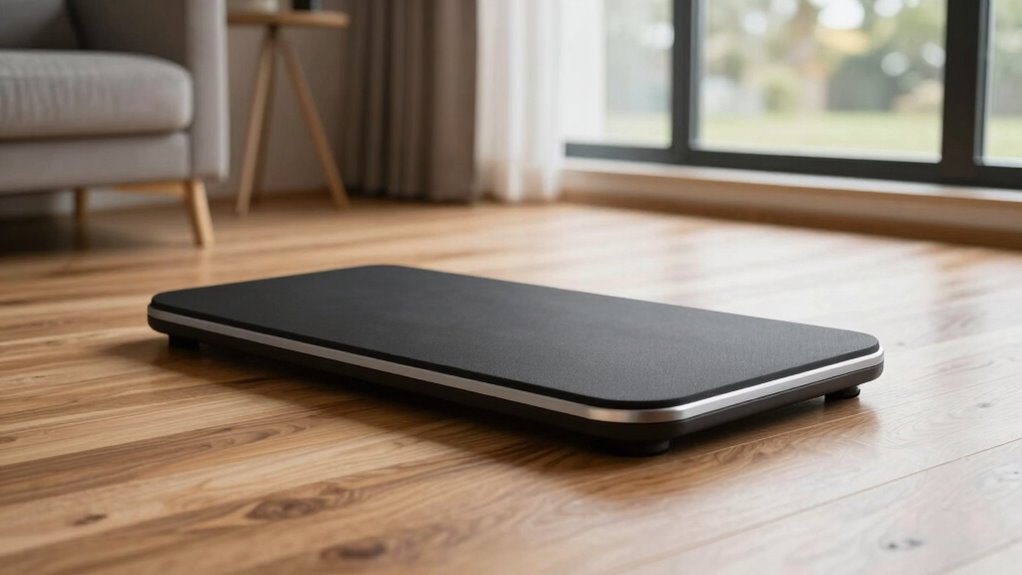
- Use rubber or foam pads underneath the device to absorb vibrations.
- Wear cushioned shoes that absorb shock and reduce noise during use.
walking pad belt tension adjustment tool
As an affiliate, we earn on qualifying purchases.
As an affiliate, we earn on qualifying purchases.
Best Accessories to Reduce Walking Pad Noise
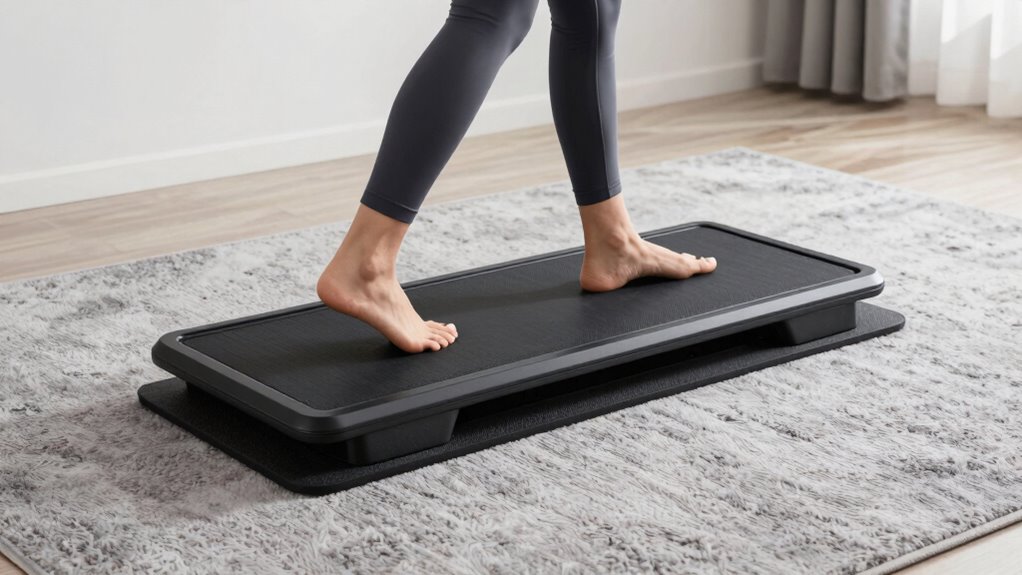
Adding the right accessories can markedly cut down walking pad noise and make your workouts more comfortable. Proper walking pad placement guarantees stability, reducing vibrations that cause noise. Upgrading accessories like anti-vibration pads can absorb shocks and prevent skidding. These upgrades improve noise reduction and protect your flooring. Using appropriate maintenance techniques can further enhance the longevity and performance of your equipment. Regularly checking and tightening components aligns with equipment care practices that support quieter operation. Additionally, selecting latest technological features can optimize overall noise control and efficiency. Incorporating a knowledge of social norms about respectful noise levels can also contribute to a more considerate environment. Understanding soundproofing techniques can provide additional ways to minimize noise and improve your workout space.
Common Mistakes That Make Your Walking Pad Louder
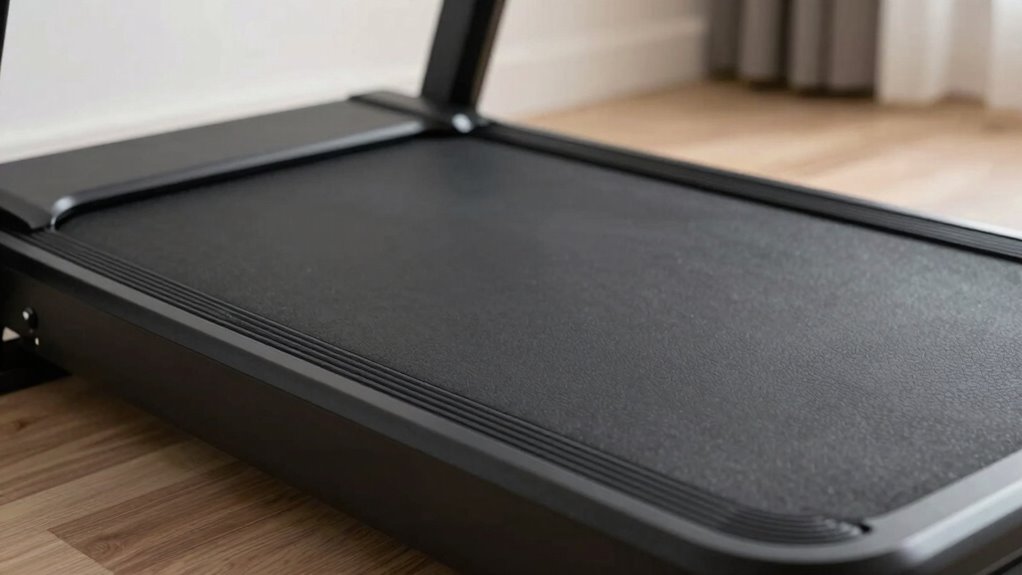
You might be surprised how much noise your walking pad makes if it’s placed on an uneven surface or hard flooring. Loose or worn belts can also cause squeaking and rattling, increasing noise levels. Don’t forget that skipping regular maintenance leads to buildup and parts wearing out, making your machine louder over time. Regularly inspecting and maintaining your equipment can help keep noise levels down and ensure smoother operation. Additionally, ensuring that all components are properly lubricated can significantly reduce unnecessary noise during use. Using appropriate lubricants can further enhance this effect and prolong the lifespan of your walking pad. To achieve optimal quiet operation, it’s also important to address surface irregularities that may amplify noise during workouts. Being aware of vibration control techniques can also help minimize noise transfer to floors and surroundings.
Improper Surface Placement
Ever wonder why your walking pad seems noisier than it should be? Improper surface placement can amplify noise due to poor surface stability and noise insulation. To fix this:
- Make sure your walking pad sits on a flat, level surface—uneven floors cause vibrations and rattling.
- Avoid placing it on thick carpet or soft rugs that absorb shock but reduce surface stability.
- Use anti-vibration pads or mats designed for noise insulation underneath the pad.
- Check that the surface underneath is firm and sturdy, preventing unnecessary movement and reducing noise transmission.
Loose or Worn Belt
A loose or worn belt is a common culprit behind increased noise levels on your walking pad. When the belt isn’t properly aligned, it can slip or wobble, creating extra noise during use. Check the belt alignment regularly and adjust it to guarantee it runs smoothly in the center of the deck. Over time, the belt may also become worn, causing it to slip or squeal. Proper motor lubrication is essential here—apply lubricant to reduce friction and keep the belt moving quietly. If the belt looks frayed or cracked, replace it promptly. Keeping the belt tight but not overly tight helps prevent unnecessary noise and prolongs its lifespan. Regular inspection and maintenance are key to a quieter, more efficient walking pad. Incorporating home automation solutions can also help monitor and alert you to maintenance needs, ensuring your equipment runs smoothly with minimal noise.
Ignoring Regular Maintenance
Neglecting regular maintenance can considerably increase the noise your walking pad produces over time. When you skip routine checks, user ergonomics suffer because uneven surfaces or misaligned components cause unnecessary vibration. To avoid this:
- Regularly clean and lubricate the belt to reduce friction and noise.
- Check treadmill calibration to ensure smooth operation.
- Inspect for loose screws or parts that could rattle during use.
- Adjust the deck and belt tension as recommended by the manufacturer.
Ignoring these steps leads to increased wear, louder operation, and compromised ergonomics. Maintaining your treadmill isn’t just about longevity; it’s about keeping noise levels low and performance efficient. Consistent upkeep prevents small issues from escalating into major, noisy problems.
Maintaining Your Walking Pad for Long-Term Quiet Performance

To keep your walking pad running quietly over time, regular maintenance is essential. Start by checking the walking pad ergonomics—ensure the belt is centered and tensioned correctly to prevent unnecessary noise. Clean the belt and deck regularly to prevent dust buildup, which can cause squeaking or grinding sounds. Lubricate the moving parts with manufacturer-recommended oil to maintain smooth operation. Follow user safety tips by unplugging the device before cleaning or adjustments. Inspect the screws and bolts periodically, tightening any loose components to avoid vibrations that increase noise. Proper maintenance not only preserves quiet performance but also extends your walking pad’s lifespan. Staying attentive to these details helps you enjoy a quiet, safe, and effective workout for years to come.
Frequently Asked Questions
Can Weather Changes Affect My Walking Pad’s Noise Levels?
Weather changes can impact your walking pad’s noise levels due to weather impact on the environment. Cold or humid conditions might cause components to expand or contract, potentially increasing noise. To guarantee effective noise mitigation, keep your walking pad in a stable environment, away from extreme temperatures and humidity. Regular maintenance and proper placement help minimize weather-related noise issues, maintaining a quieter workout experience regardless of outside conditions.
Does the Weight of the User Impact the Noise Produced?
Yes, your user weight impacts the noise impact of the walking pad. Heavier users exert more pressure on the motor and belt, which can increase noise levels during operation. To minimize noise, make certain your walking pad is properly maintained and consider using additional soundproofing materials or placing it on a cushioned surface. Being mindful of user weight helps keep noise levels manageable and the machine functioning smoothly.
Are There Specific Brands Known for Quieter Walking Pads?
You’re hitting the nail on the head—some brands are quieter than others. When comparing brands, look for those that prioritize noise reduction techniques, like cushioned decks or motor design. Brands like NordicTrack and Echelon often lead in noise control, making your workout less disruptive. Doing a quick brand comparison helps you find a walking pad that’s efficient and whisper-quiet, so you can walk your way without disturbing others.
How Often Should I Lubricate My Walking Pad for Noise Reduction?
You should lubricate your walking pad every 3 to 6 months, depending on usage and manufacturer recommendations. Following a regular lubrication schedule is a key maintenance tip to reduce noise and guarantee smooth operation. Check your user manual for specific guidelines, but generally, applying a silicone-based lubricant to the belt and deck helps minimize friction and noise, keeping your walking pad quieter and extending its lifespan.
Can Moving the Walking Pad to a Different Room Reduce Noise?
Yes, moving your walking pad to a different room can reduce noise. Consider room materials and placement strategies—hard surfaces like tile or wood reflect sound, while carpets or rugs absorb it. Placing the pad on a cushioned mat or near soft furnishings can also dampen noise. Experiment with different locations and materials to find the best setup, making your workouts quieter and more comfortable for everyone.
Conclusion
By tuning into these simple yet powerful tweaks, you transform your walking pad from a noisy troubadour into a silent ballet dancer. Think of it as whispering secrets to your equipment—each adjustment a gentle stroke that calms the chaos. With patience and care, you’ll cultivate a harmonious space where movement flows smoothly, and noise becomes just a distant echo. Embrace these changes, and let your workouts become a symphony of serenity and grace.
Fall Picks
fall essentials
As an affiliate, we earn on qualifying purchases.