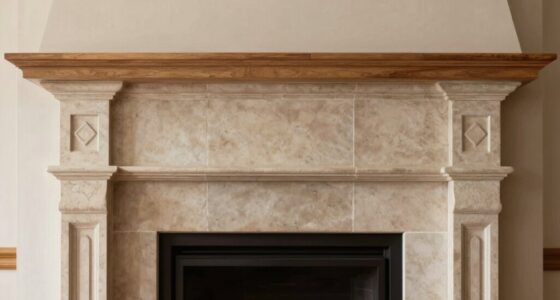
Many buyers overlook the importance of proper ventilation and safety clearances when installing a built-in fireplace, which can cause dangerous gas buildup, fire hazards, and costly repairs. Ensuring adequate airflow and maintaining safe distances from combustible materials are vital for safety and efficiency. Neglecting these essentials can lead to poor performance and potential violations. Focus on these key factors now, so you can avoid common mistakes and optimize your fireplace’s safety and longevity—more valuable insights await you.

Get business pricing on your home office setup
- Business-only prices and quantity discounts
- Tax-exempt purchasing
- Multiple users, one account, clear invoices
Key Takeaways
- Failing to verify ventilation requirements and pathways before installation can lead to safety hazards and inefficient operation.
- Overlooking proper safety clearance from combustible materials increases fire risk and violates building codes.
- Neglecting to review manufacturer specifications and local codes may cause costly modifications later.
- Insufficient planning of vent size, type, and placement can compromise airflow and indoor air quality.
- Ignoring the importance of early planning for both ventilation and clearance can lead to safety and performance issues.
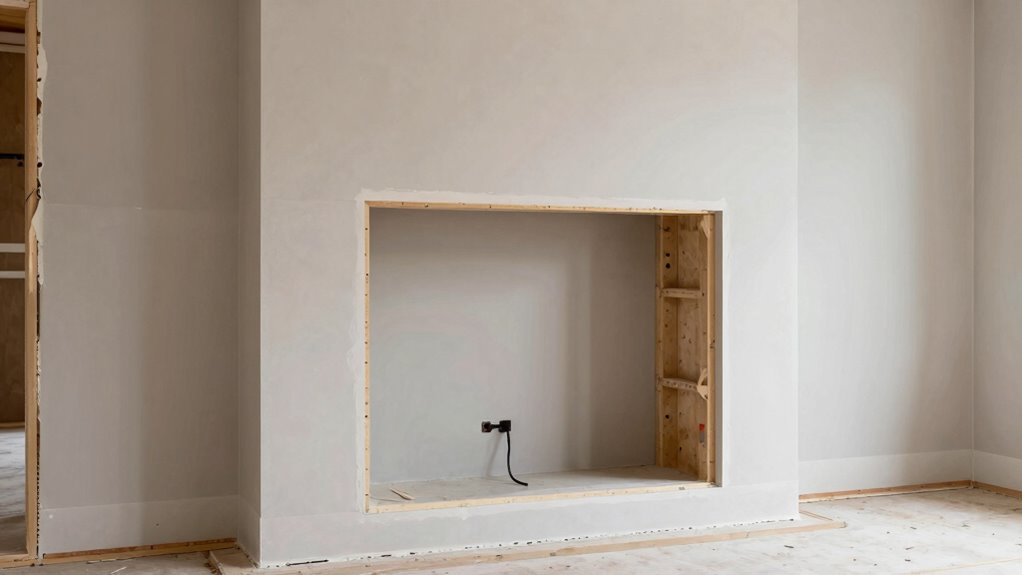
Installing a built-in fireplace requires careful preparation to guarantee safety and proper operation. One of the most overlooked aspects during installation is ensuring that ventilation requirements are met. Proper ventilation isn’t just about airflow; it’s essential for preventing the buildup of dangerous gases like carbon monoxide and ensuring the fireplace functions efficiently. Many buyers focus on the aesthetic and physical placement of the unit but forget to verify that the space can accommodate the necessary ventilation pathways. You need to check local building codes and manufacturer specifications to determine the exact ventilation requirements, which often include specific vent sizes, types, and clearances. Neglecting this step can lead to poor combustion, smoke spillage, or even hazardous indoor air quality. Ensuring proper ventilation pathways from the start helps maintain safe operation and compliance with regulations. Additionally, inadequate ventilation can reduce the lifespan of your fireplace by causing excess soot and corrosion, making this step even more crucial. Proper planning also involves considering the air exchange rate to ensure your space remains well-ventilated and safe during operation.
Proper ventilation is crucial for safety and efficiency when installing a built-in fireplace.
Alongside ventilation, safety clearance is another critical factor that buyers frequently underestimate. Safety clearance refers to the minimum distance the fireplace must be from combustible materials, such as wood, drywall, or furniture. This clearance isn’t arbitrary; it’s designed to prevent heat transfer that could ignite nearby items or cause damage to the structure. Before installation, you should thoroughly review the manufacturer’s clearance guidelines and double-check your measurements to ensure you’re adhering to those standards. Failing to maintain adequate safety clearance can result in fire hazards or even code violations, which might require costly modifications later.
Many people assume that simply installing the fireplace in a visible area is enough, but the placement must consider both ventilation and clearance to operate safely. If you’re installing into an existing wall, you need to evaluate whether the wall material and structure can support the venting system without compromising safety. Also, pay attention to the height and positioning of the unit; the right placement can improve both safety and efficiency. Remember that clearance isn’t just about avoiding fire hazards—it also ensures that heat disperses evenly and doesn’t cause discomfort or damage to surrounding surfaces. Proper planning in these areas will help prevent installation errors that could compromise safety or performance later on.
built-in fireplace ventilation kit
As an affiliate, we earn on qualifying purchases.
As an affiliate, we earn on qualifying purchases.
Frequently Asked Questions
How Long Does Built-In Fireplace Installation Typically Take?
You can expect built-in fireplace installation to take about 1 to 3 days, depending on the complexity of your setup. During the process, you need to address ventilation concerns and guarantee all permit requirements are met. Rushing or neglecting these steps can cause delays or safety issues. Proper planning and professional help will streamline the installation, making it smoother and more efficient, so don’t overlook these essential prep aspects.
What Are the Hidden Costs Involved in Installation?
Hidden costs in fireplace installation often include ventilation requirements and permit considerations. You might need to upgrade your existing chimney or ventilation system, which adds to expenses. Additionally, securing permits can involve fees and inspections that catch you off guard. Always factor in these potential costs before starting your project to avoid surprises. Planning ahead guarantees you budget correctly and stay compliant with local building codes.
Can I Install a Built-In Fireplace Myself?
You can try installing a built-in fireplace yourself, but be prepared for DIY challenges, especially with ventilation requirements. Without proper knowledge, you might bite off more than you can chew, risking safety and code violations. It’s best to consult professionals or thoroughly research the installation process. A proper setup guarantees safety, efficiency, and peace of mind, so don’t be tempted to cut corners—sometimes, it’s better to leave it to the experts.
What Safety Standards Should I Consider?
You should prioritize fire safety and ventilation requirements when installing a built-in fireplace. Make certain your setup complies with local fire safety codes, using fire-resistant materials and proper clearance distances. Adequate ventilation is essential to prevent harmful fumes and maintain airflow, so follow manufacturer guidelines and consult professionals if needed. Ignoring these standards can lead to safety hazards, so take the time to verify all safety measures before proceeding with the installation.
How Do I Choose the Right Fireplace Style?
Imagine walking into a room where the fireplace design perfectly complements your decor—your choice of style makes all the difference. To pick the right fireplace, consider your home’s aesthetic and how the material selection aligns with your interior. Whether you prefer modern or traditional, choose a style that enhances your space. Your fireplace should reflect your taste while offering functionality, ensuring it becomes a cozy focal point.
fireplace safety clearance tools
As an affiliate, we earn on qualifying purchases.
As an affiliate, we earn on qualifying purchases.
Conclusion
Properly prepping for a built-in fireplace can make all the difference in your home’s comfort and safety. Many buyers overlook essential steps, leading to costly mistakes. Did you know that homes with properly installed fireplaces see a 10% increase in resale value? Taking the time to prepare correctly guarantees you enjoy the cozy ambiance and added value without headaches down the line. Don’t skip the prep—you’ll thank yourself when everything goes smoothly.
As an affiliate, we earn on qualifying purchases.
fireplace installation safety accessories
As an affiliate, we earn on qualifying purchases.
As an affiliate, we earn on qualifying purchases.
Fall Picks
fall essentials
As an affiliate, we earn on qualifying purchases.