
TL;DR

Get business pricing on your home office setup
- Business-only prices and quantity discounts
- Tax-exempt purchasing
- Multiple users, one account, clear invoices
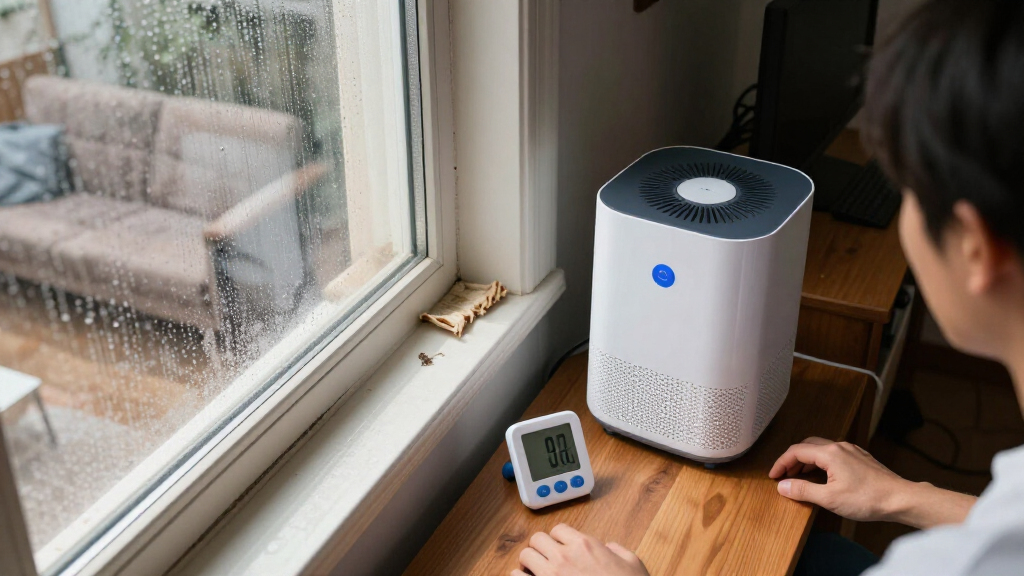
A home advice report from Ideal Home lists five clues that indoor moisture may be building up: recurring window condensation, mould, musty smells, slow-drying laundry and humidity readings regularly above 60%. Experts quoted in the report say a dehumidifier can help manage excess moisture, but it will not repair leaks or other sources of water damage.
Recurring condensation, mould, musty smells, laundry that dries slowly and humidity readings regularly above 60% are five signs that a home may have excess moisture, according to an Ideal Home report quoting air-treatment experts. The advice matters because a dehumidifier can reduce moisture in the air, but signs of damp can also point to a leak or another problem that the appliance will not fix.
The report identifies regularly wet windows as one clue. Chris Michael, co-founder of Meaco and an air-treatment expert, says condensation forms when moist air meets a cold surface. Wiping glass removes water from the window, he says, but does not address moisture in the air. The report recommends checking indoor humidity and keeping window frames and sills dry.
Mould around windows or behind furniture may also indicate a moisture issue. Michael advises checking beyond the spot where mould first appears because moisture from cooking, showering and indoor laundry can move through a home and settle on colder surfaces. Ebac director Pamela Petty says excess moisture can also contribute to warped window ledges, peeling paint or wallpaper, and doors sticking as they expand.
A persistent musty smell can merit checking cupboards, wardrobes and spaces behind furniture, even if mould is not visible. Petty also identifies damp-feeling upholstery or furnishings as a possible clue. For laundry, the report says clothes that remain damp on an airer may reflect high indoor humidity, although temperature, airflow and how garments are spaced out also affect drying time.
When Moisture Signs Need Attention
Repeated dampness can affect more than windows or laundry: the experts quoted by Ideal Home link excess moisture with mould and damage to household finishes. Spotting a pattern can prompt homeowners to check humidity and investigate the source rather than repeatedly wiping surfaces or masking smells.
A dehumidifier may help lower airborne moisture, including moisture released when clothes dry indoors. But it is not a repair for a leaking pipe, roof fault or water entering through damaged walls. If damp is concentrated in one area, finding and addressing the cause matters; existing mould also needs attention rather than being treated as solved by running an appliance.
Popular right now

Breville BES870XL Barista Express Espresso Machine
Vitamix 5-Speed Immersion Blender 3-Piece Bundle with Whisk and Storage Case

KitchenAid Classic Series 4.5-Quart Tilt-Head Stand Mixer, Onyx Black
As an affiliate, we earn on qualifying purchases.
How Indoor Moisture Builds Up
Cooking, showering and drying clothes indoors all add moisture to the air, the report says. In autumn and winter, windows may stay closed for longer, which can make it harder for moisture to escape. Cooler surfaces can also contribute to condensation when they meet moist air.
The fifth sign is a humidity reading that regularly exceeds 60%. Michael recommends a target of around 55% relative humidity for UK homes. The report suggests using a hygrometer and checking readings over several days, rather than treating a single reading taken just after a shower as representative. The source provides this as expert advice, not as a measurement of any particular home.
“Condensation forms when moist air meets a cold surface.”
— Chris Michael, Meaco co-founder and air-treatment expert
What Household Clues Cannot Confirm
These signs do not by themselves establish the source or severity of damp. Slow-drying washing, for example, can also be affected by room temperature, airflow and how closely clothes are hung. Condensation or mould may have different causes, and a high reading needs to be considered alongside repeat measurements and conditions in the home.
The source does not provide a diagnostic test, a set of measurements from homes, or evidence that every household showing one sign needs a dehumidifier. It also does not give a detailed method for treating mould. A dehumidifier can reduce airborne moisture, but it cannot confirm or repair structural water ingress, plumbing leaks or roof problems.
Check Readings and Find the Cause
Householders who notice repeated signs can monitor humidity over several days, check cold and concealed areas for moisture, and improve ventilation during cooking and showering. The report advises keeping air moving around furniture and giving laundry space on an airer. If a dehumidifier is used, follow its instructions for placement and operation.
Where damp is persistent or concentrated in one area, the next step is to investigate the source, including possible leaks or water entering through damaged parts of the home. The Ideal Home report does not set out a timetable for further action or identify a single solution for every property; what happens next depends on the cause and extent of the moisture.
Key Questions
What are the five signs that may suggest excess moisture?
The report lists recurring wet windows, mould, a persistent musty smell, slow-drying indoor laundry and humidity readings regularly above 60%.
What humidity level does the expert recommend?
Meaco’s Chris Michael recommends a target of around 55% relative humidity for UK homes. He says readings regularly above 60% can indicate excess moisture. The report advises checking readings over several days.
Will a dehumidifier fix mould or a leak?
A dehumidifier can help reduce moisture in the air, but it will not repair a leaking pipe, roof problem or water entering through damaged walls. The source of persistent damp should be investigated, and existing mould needs separate attention.
Can slow-drying laundry prove that a home is too humid?
No. The report says humidity may contribute, but temperature, airflow and how clothes are spaced also affect drying time. One clue alone does not confirm the cause.
Source: rss