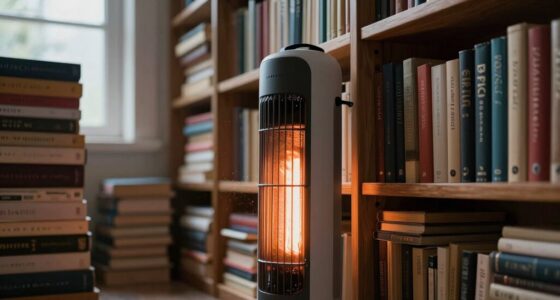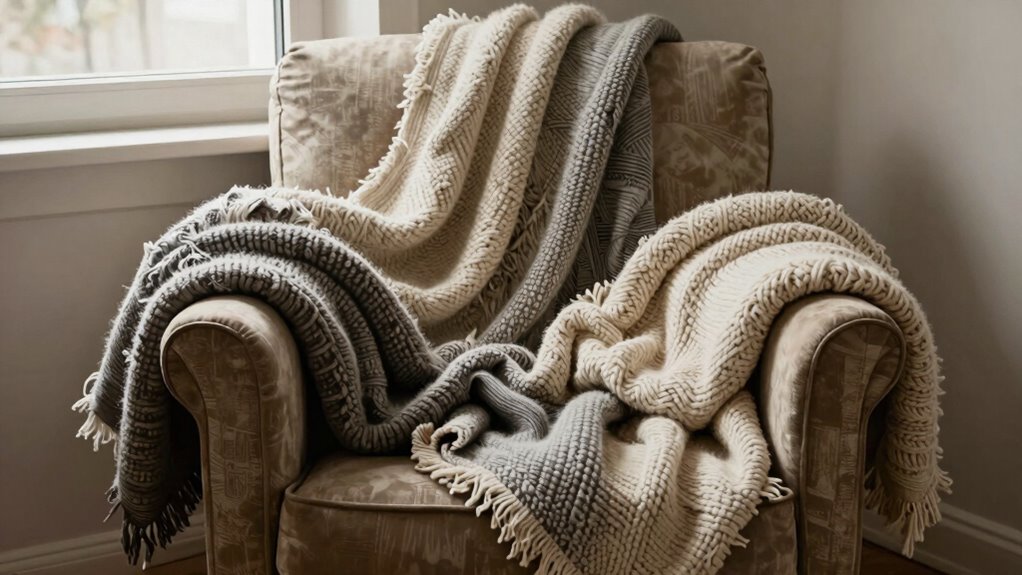

The biggest mistake you make when trying to cozy up cold corners is ignoring proper layering and insulation. Relying on just a couple of lightweight throws or small pillows won’t keep the space warm. Instead, you need to layer thick textiles like wool or velvet, add thermal curtains, and seal gaps around windows and doors. Focusing on these strategies can make a huge difference—if you want to discover how better layering transforms your space, there’s more to explore.

Get business pricing on your home office setup
- Business-only prices and quantity discounts
- Tax-exempt purchasing
- Multiple users, one account, clear invoices
Key Takeaways
- Relying on minimal or lightweight layers can create cold spots and reduce overall warmth.
- Overlooking effective insulation techniques, like thermal barriers and layered textiles, hampers cozying efforts.
- Mixing incompatible textures or fabrics can trap moisture and decrease heat retention.
- Failing to seal gaps around windows and doors allows drafts, making layering less effective.
- Inadequate arrangement of furniture and textiles prevents proper heat circulation and insulation.
As an affiliate, we earn on qualifying purchases.
Why Your Cold Corner Isn’t Cozy Yet
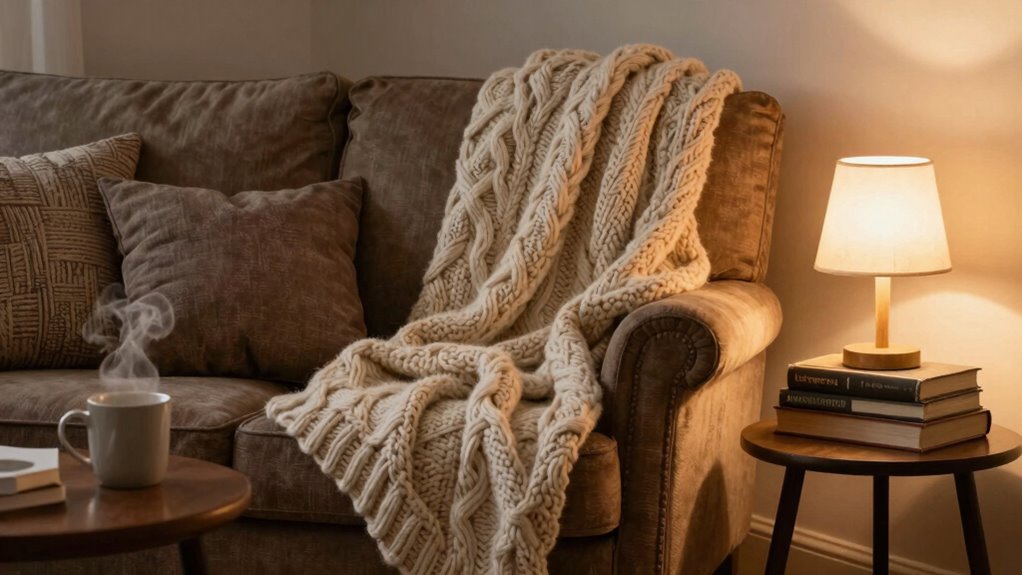
If your corner still feels chilly despite your efforts, it’s likely because it lacks proper insulation and layering. Adding decorative accents can make a difference—think plush throws, cozy pillows, or textured rugs that invite warmth. But don’t forget about color coordination; choosing warm, inviting hues helps create a visual sense of coziness that complements your physical layers. When your decor aligns with your insulating elements, your space feels more unified and welcoming. Without these touches, your cold corner can appear unfinished or stark, undermining your efforts. Incorporating natural biodiversity elements like plants not only enhances aesthetic appeal but also contributes to a healthier, more inviting environment. Understanding home insulation techniques can further improve your space’s warmth and comfort, especially through effective thermal barriers. Additionally, knowing how to properly seal drafts can prevent heat loss and boost overall insulation. Proper layering also involves selecting the right pool equipment to maintain indoor temperatures effectively during colder months. Combining functional insulation with thoughtful decorative accents and color schemes transforms an uninviting space into a cozy retreat. Proper layering isn’t just practical; it’s essential for making your cold corner truly comfortable.
As an affiliate, we earn on qualifying purchases.
Common Layering Mistakes to Avoid in Cold Corners
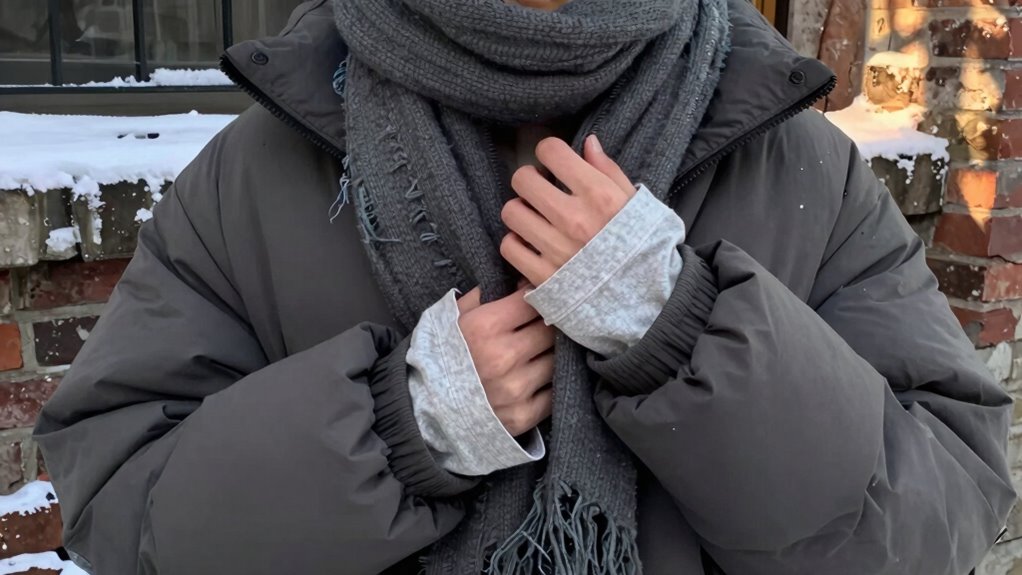
Many people make the mistake of layering their cold corners with just one or two thin blankets or decorative accessories, assuming that will provide enough warmth. This approach overlooks effective layering techniques that create insulation and trap heat. Instead, you should add multiple layers, combining different textures and thicknesses to maximize warmth. Relying solely on decorative accessories like small pillows or lightweight throws can give a false sense of coziness without real insulation. Proper layering involves stacking blankets, using cozy fabrics like wool or fleece, and ensuring each layer adds insulation. Incorporating layering techniques can significantly improve overall warmth and comfort. Additionally, paying attention to thermal insulation principles helps create a more inviting and functional cold corner. Avoid skipping layers or using only decorative items, as these won’t retain heat effectively. Focus on building a layered setup that combines function and style for a truly warm and inviting cold corner.
As an affiliate, we earn on qualifying purchases.
How to Choose the Best Materials for Cozy Layering
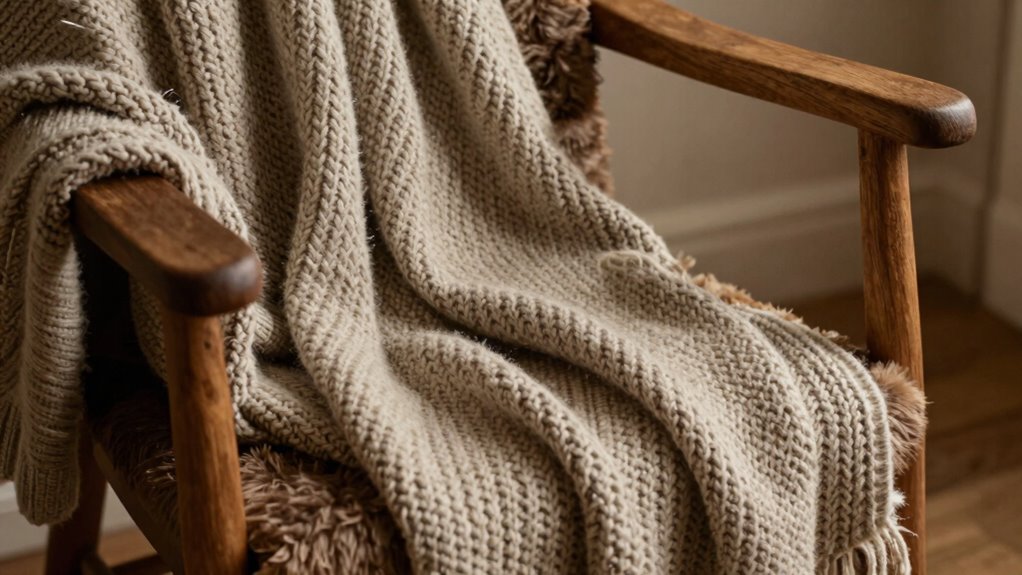
Choosing the right materials is essential for creating a cozy, warm corner that truly works. Start with fabric textures that feel soft and inviting, like plush velvets or chunky knits, which trap heat and add comfort. Avoid rough or slick fabrics that don’t insulate well or feel uncomfortable. When selecting insulation materials, prioritize options like thermal blankets, foam panels, or insulating curtains that block drafts and retain heat. Natural fibers like wool or fleece are excellent because they’re breathable and warm. Be mindful of layering these materials properly—using thicker textiles beneath lighter ones enhances insulation. Carefully choosing fabrics and insulation materials ensures your corner stays warm without adding bulk or sacrificing comfort. Incorporating insulation materials designed for heat retention can significantly improve the overall warmth of your cozy corner. Additionally, understanding how 3D scanning and printing technologies can help customize and optimize your insulation setups might offer innovative ways to improve insulation efficiency. Exploring advanced manufacturing techniques can also lead to more tailored and effective insulation solutions, ensuring maximum comfort.
As an affiliate, we earn on qualifying purchases.
How to Recognize and Fix Layering Mistakes
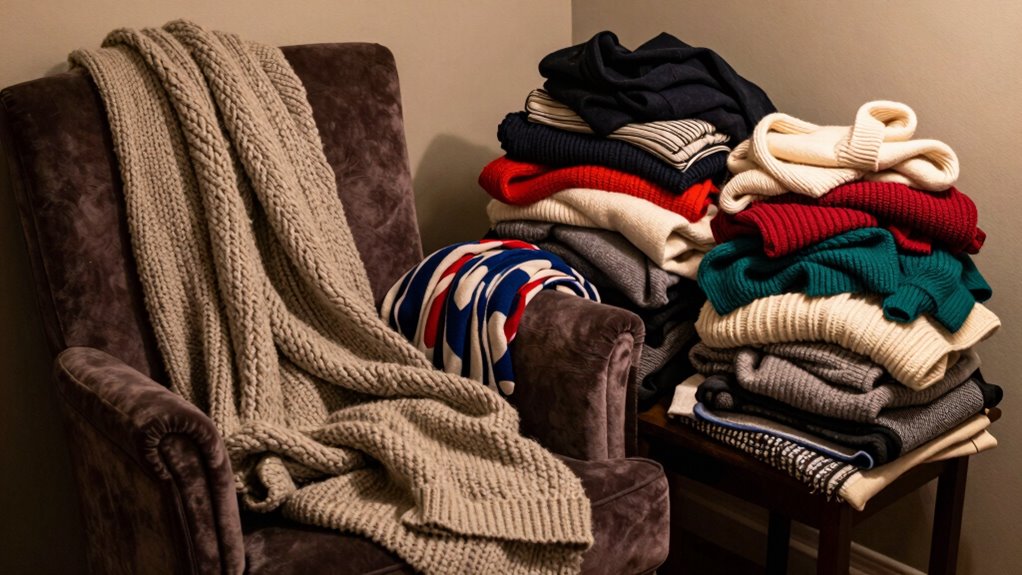
You might notice your layers feel bulky or uneven, which can reduce warmth and comfort. Recognizing these common mistakes lets you adjust your approach quickly. By correcting errors like over-layering or improper fit, you’ll keep your cozy setup effective and comfortable. Staying aware of proper layering techniques ensures you maintain optimal insulation and avoid unnecessary bulk.
Spot Common Layering Errors
Layering mistakes often become noticeable when garments bunch up, create awkward bulk, or restrict movement. Common errors include wearing too many thin layers instead of a few well-chosen ones, or mixing textures that don’t work together. To recognize these issues, pay attention to how your clothes feel and fit. If your outfit feels uncomfortable or looks bulky, you might not be applying proper layering techniques. Fix these mistakes by choosing insulation solutions that trap heat efficiently—such as a thermal base layer under a windproof shell—and avoid unnecessary layers. Make certain each piece fits smoothly without tightness or sagging. Additionally, understanding breast cancer symptoms can be crucial for early detection and health awareness. Recognizing proper layering also involves understanding climate adaptability, which helps in selecting the right materials for different weather conditions. Proper layering also requires awareness of scientific testing devices, which emphasize precision and safety in material choice and application. By adjusting your approach, you’ll maintain warmth without sacrificing mobility or comfort, making cold-weather dressing more effective and enjoyable. Proper layering not only improves comfort but also enhances energy efficiency during colder months.
Correct Mistakes Effectively
Recognizing and fixing layering mistakes starts with paying close attention to how your clothes feel and fit throughout the day. Understanding layering fundamentals helps you identify when your outfit isn’t providing proper temperature regulation. If you notice you’re too cold or overheated, it’s a sign you need to adjust your layers. Check for tightness that restricts movement or restricts airflow, and loosen or add layers accordingly. Keep an eye on moisture buildup or cold spots, which indicate poor insulation. When correcting mistakes, focus on balancing insulation and breathability. Fine-tuning your layers ensures ideal temperature regulation, making your cozy outfit more effective. Remember, small adjustments can prevent discomfort and keep you warm without overheating. Paying attention to layering fundamentals and how different assistive tech solutions can aid in comfort can help you optimize your clothing choices for any situation.
Practical Tips for Layering Your Space Effectively
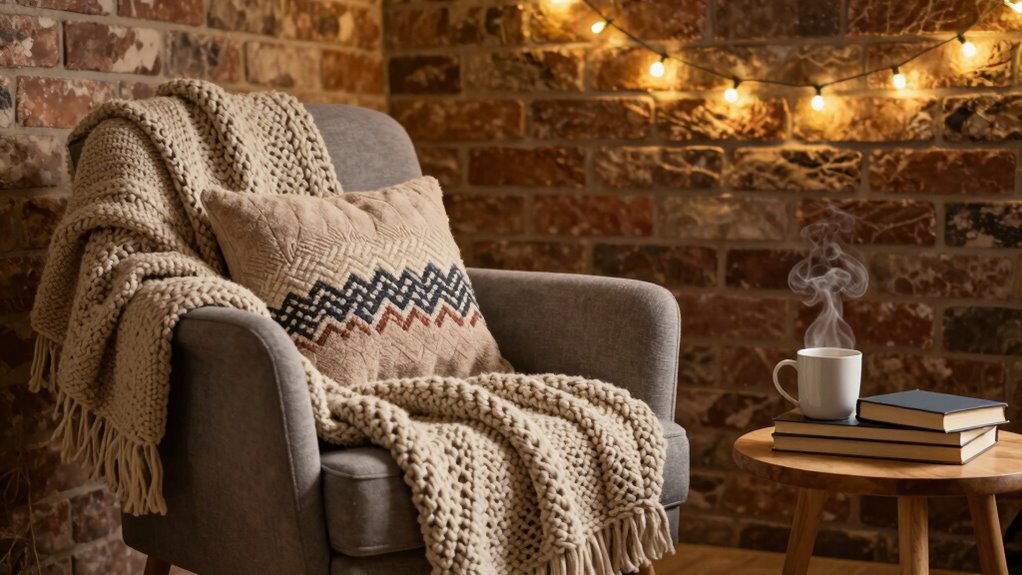
Effective layering begins with evaluating your space’s specific needs and limitations. You need to consider how to balance warmth and aesthetics while maximizing functionality. Focus on color coordination to create a cohesive look that feels inviting and harmonious. Proper furniture arrangement is essential—place larger pieces to block drafts and create natural barriers against cold spots. Use layered textiles like throws, rugs, and curtains to add insulation and texture. Keep pathways clear for easy movement, avoiding clutter that can block heat flow. Additionally, layering different materials, such as wool and velvet, enhances insulation without sacrificing style. Remember, strategic placement and thoughtful design make your space feel cozy and functional, preventing cold corners from undermining your comfort. Understanding insulation and proper material layering can further improve your space’s warmth and energy efficiency. Incorporating thermal barriers into your design can significantly reduce drafts and heat loss, making your space more comfortable. Paying attention to airflow management helps prevent cold spots and ensures consistent warmth throughout the room. Being mindful of insulation quality can make a noticeable difference in maintaining a comfortable temperature. Incorporating proper ventilation helps balance moisture and air circulation, which supports overall comfort and insulation efficiency.
Smart Strategies to Prevent Cold Corners in the Future
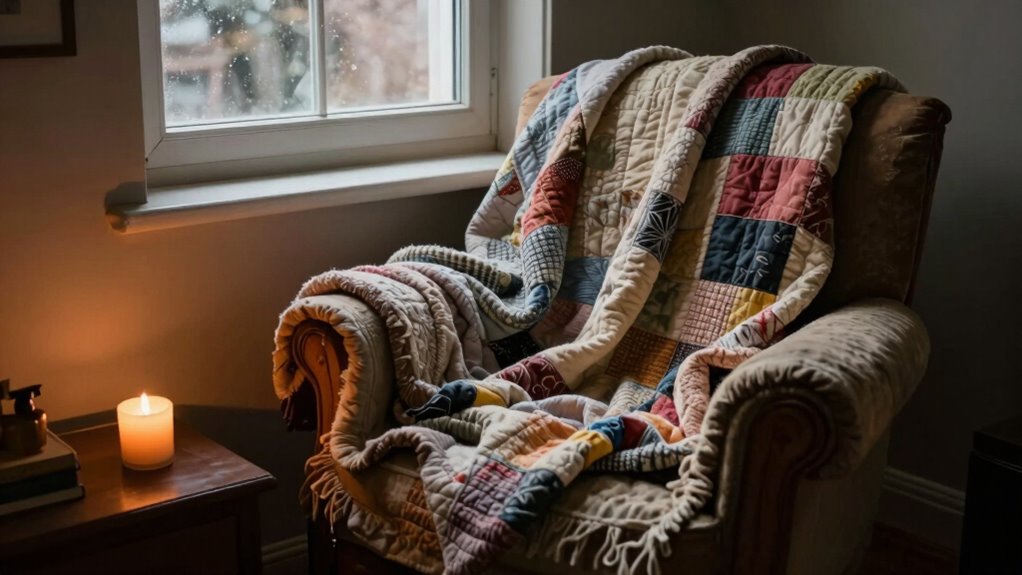
To keep cold corners at bay long-term, proactive measures can make a significant difference. Start by identifying and sealing insulation gaps around windows, doors, and wall penetrations, which are common sources of drafts. Proper draft prevention techniques, like installing weatherstripping or door sweeps, can stop cold air from sneaking in. Consider adding insulation to vulnerable areas, such as attic spaces or wall cavities, to improve overall thermal efficiency. Ensure that vents and chimneys are properly sealed when not in use. Regularly inspect these areas and maintain sealing materials to prevent deterioration. Pay attention to thermal efficiency to optimize your home’s insulation and prevent cold spots. Implementing these strategies helps create a more airtight environment, reducing the likelihood of cold corners forming and making your space consistently cozy. Additionally, improving indoor air quality by reducing drafts can help maintain a healthier and more comfortable living environment.
Frequently Asked Questions
How Do Drafts Impact Cold Corners Despite Proper Layering?
Drafts can substantially impact cold corners even with proper layering because insulation gaps and window drafts allow cold air to seep in. You might’ve insulated well, but if you overlook these gaps, the cold air bypasses your layers, making your space feel chillier. Sealing all drafts and filling insulation gaps around windows and corners ensures your layering works effectively, keeping your home warmer and more comfortable.
Can Interior Design Choices Influence Heat Retention in Corners?
Yes, your interior design choices can influence heat retention in corners. By incorporating thermal insulation into walls and floors, you reduce heat loss. Additionally, using decorative accents like thick curtains, rugs, or textured wall coverings helps trap warm air and block drafts. These choices not only enhance aesthetics but also improve overall warmth, making cold corners more comfortable and energy-efficient without sacrificing style.
What Are Quick Fixes for Immediate Cold Corner Discomfort?
Think of your cold corner as a fortress under siege. To quickly warm it, hang thermal curtains to block drafts and insulate the space. Use draft stoppers on doors and windows to seal any gaps, stopping cold air from sneaking in. These simple fixes instantly reduce drafts, making your corner more comfortable and cozy, without waiting for long-term solutions. You’ll feel the difference instantly, turning your fortress back into a warm haven.
How Often Should You Reassess Your Layering Strategy?
You should reassess your layering strategy regularly, especially when you notice changes in your comfort or activity level. Typically, check your layering frequency weekly or whenever you experience temperature shifts. This guarantees your strategy remains effective, preventing discomfort or overheating. Adjust based on your environment, clothing, and how your body responds. Staying attentive allows you to optimize your layers for warmth and comfort, making cold corners more manageable.
Are There Seasonal Adjustments Needed for Effective Layering?
Yes, you should adjust your layering based on seasonal clothing and weather patterns. During winter, add thermal underwear and insulated layers for warmth, but in spring or fall, opt for lighter fabrics and fewer layers. Keep an eye on weather forecasts to adapt quickly—if temperatures drop unexpectedly, be ready to add or remove layers. This approach guarantees comfort and prevents overheating or chills, making your layered clothing truly effective year-round.
Conclusion
Think of your cozy layering as building a warm sandwich—you wouldn’t just pile on cold ingredients and hope for the best. I once ignored this and ended up with a chilly corner that felt more like a iceberg than a haven. By avoiding common mistakes and choosing the right materials, you’ll turn your cold corner into the warm hug you deserve. Remember, a little thoughtful layering can transform your space from frosty to fabulous in no time.
Halloween Picks
halloween
As an affiliate, we earn on qualifying purchases.