
TL;DR

Get your home office setup delivered free — and shop member deals
- Fast, free delivery on millions of items
- Access to Prime Big Deal Days deals on October 6–7
- Prime Video, Amazon Music and more included
A Hunker article presents sandstone as an alternative to concrete and brick for retaining walls, citing its natural appearance and durability. It may enhance a home’s appeal, but the report does not establish a resale-value increase; costs, installation and drainage are important considerations.
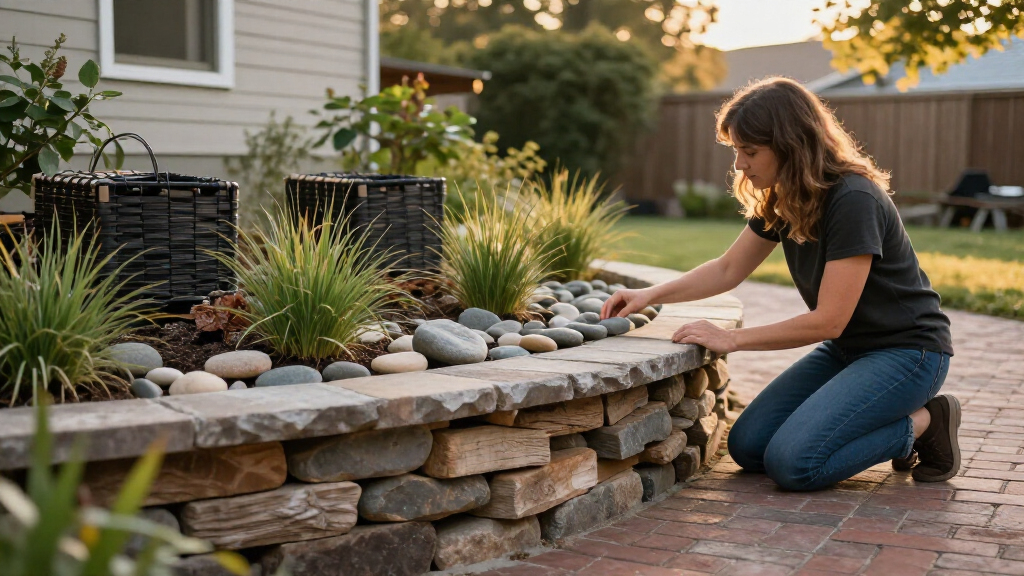
Hunker has spotlighted sandstone as an alternative to concrete and brick for residential retaining walls, describing the stone’s varied earth tones and texture as a way to add visual interest to a yard. The article says sandstone may appeal to homebuyers, but it does not provide sales data showing that a sandstone wall raises a property’s resale price.
The report says sandstone can serve as a retaining-wall material as well as a concrete alternative for patios. Its natural color variations may blend with landscaping more readily than plain gray concrete or red brick, while still giving a garden or yard a defined feature. The material’s appearance and reputation for longevity are presented as potential selling points, not as a guaranteed return on investment.
Sandstone can cost more than concrete, brick or wood, according to Hunker. Price depends in part on the stone’s quality and color; the article says it may cost less than some other natural stone, such as granite. It also notes that larger sandstone logs could reduce installation costs on some projects, though they are heavy and generally require professional equipment to move.
Smaller blocks may be easier for a homeowner to handle or adjust, but they remain heavy and require more pieces to cover a large wall. The report advises weighing the project’s scale and labor needs before choosing a do-it-yourself installation. It also stresses that porosity does not replace drainage: water must be managed behind the wall to limit soil pressure and reduce the risk of failure.
Aesthetic Appeal Comes With Trade-Offs
For homeowners planning to reshape a sloped yard or garden, material choice affects more than appearance. A retaining wall holds back soil, and its construction and drainage can influence how well it performs over time. Sandstone offers a natural look that may suit landscaping where concrete or brick feels visually out of place, but that appeal has to be balanced against material cost, handling and installation requirements.
The potential effect on home value should be treated cautiously. Hunker says buyers and real estate agents may regard durable sandstone landscaping as an investment, but the supplied report offers no market study, price comparison or example sale to confirm a resale premium. Homeowners should distinguish a design feature that could improve curb appeal from a demonstrated increase in sale price.
As an affiliate, we earn on qualifying purchases.
How Sandstone Compares With Common Materials
Concrete, brick and wood are among the alternatives homeowners may consider for retaining walls. Hunker characterizes concrete and brick as less visually appealing in some garden settings, while sandstone’s range of earth tones and surface variation can connect more naturally with plants and surrounding terrain. These are aesthetic judgments; the best choice depends on the property, wall design, budget and site conditions.
The article also distinguishes between sandstone blocks and larger sandstone logs. Blocks may be more manageable for small projects, while logs can cover more ground but are difficult to move without equipment. In either case, the wall’s size matters: larger or more demanding installations may call for a contractor rather than a do-it-yourself approach.
Drainage is a separate design requirement. Hunker describes systems using geotechnical fabric, agricultural pipe and weep holes. Fabric helps keep soil and fine silt from clogging drainage aggregate; pipe carries water toward outlets, and weep holes allow it to exit. The specific design needs depend on the site and wall, so the article’s examples are not a substitute for project-specific advice.
“Sandstone comes in a range of earth tones with a unique texture and variations that add a bit of extra visual interest.”
— Hunker report
As an affiliate, we earn on qualifying purchases.
Resale Impact and Site Needs
No resale-value figure is provided, and the source does not cite property-sale data or research comparing sandstone walls with other materials. Any claim that a particular wall will increase a home’s sale price remains uncertain and may depend on local buyer preferences, workmanship and the property as a whole.
The report also does not give price ranges, installation estimates, engineering specifications or a recommended wall height. It does not assess particular soil types, slopes, local drainage conditions or building rules. Those factors can change the appropriate design and cost, so readers should not treat a general material overview as a construction plan.
As an affiliate, we earn on qualifying purchases.
Plan Costs and Drainage Before Building
Homeowners considering sandstone should compare local material and labor quotes, decide whether blocks or larger logs suit the site, and ask contractors how water will drain from behind the wall. Before work begins, they should check whether local permits or other requirements apply and seek qualified professional guidance for a large or technically demanding retaining wall.
The next practical step is site-specific planning: confirm the wall’s size and purpose, account for the weight and handling of the stone, and budget for drainage alongside the visible materials. The source reports no announced project, new building standard or follow-up data; its development is a materials recommendation rather than a change in policy or construction practice.
As an affiliate, we earn on qualifying purchases.
Key Questions
Why does Hunker recommend considering sandstone?
The report points to sandstone’s earth-tone colors and varied texture, which may complement landscaping while adding definition to a yard. It also describes the material as durable, but does not guarantee a particular lifespan for every wall.
Does a sandstone retaining wall raise home value?
Hunker suggests that an attractive, durable feature may appeal to buyers, but provides no data proving a resale-price increase. The financial effect is unknown from the source material.
Is sandstone cheaper than concrete or brick?
According to the report, sandstone is generally more expensive than concrete, brick or wood. Costs vary with the stone’s quality and color, and the article supplies no specific price estimates.
Does porous sandstone need a drainage system?
Yes. The report says sandstone’s porosity does not eliminate the need for proper drainage behind the wall. It describes geotechnical fabric, agricultural pipe and weep holes as components used in drainage systems.
Can homeowners install a sandstone wall themselves?
Smaller blocks may be more manageable than large sandstone logs, but the stone can still be heavy. Hunker says professional installation is often preferable for larger projects; the right approach depends on wall size, site conditions and the equipment available.
Source: rss
Halloween Picks
halloween
As an affiliate, we earn on qualifying purchases.