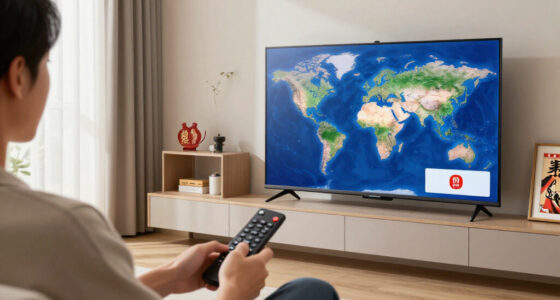
Mixing digital frames with printed art is powerful because it creates a personalized, dynamic display that reflects your style. You can seamlessly blend the vibrancy of digital images with the tangible beauty of printed pieces, offering versatility and visual harmony. Harmonizing colors and styles enhances your space’s overall look, making your gallery more engaging. Keep exploring to discover how mastering this mix elevates your display and makes it truly unique.

Get business pricing on your home office setup
- Business-only prices and quantity discounts
- Tax-exempt purchasing
- Multiple users, one account, clear invoices
Key Takeaways
- Combining digital and printed art creates a dynamic, personalized gallery that enhances visual interest and reflects individual style.
- Proper color coordination between digital frames and prints ensures a harmonious and cohesive display.
- Thoughtful framing techniques add depth and focus, elevating the overall aesthetic of mixed-format artwork.
- Achieving visual harmony through consistent materials and finishes creates a curated, professional look.
- Blending digital and printed art turns ordinary collections into engaging, expressive spaces that resonate personally.

Blending digital frames with printed art offers a versatile way to showcase your favorite images and artwork. This combination allows you to enjoy the best of both worlds—dynamic digital displays and tangible prints—creating a personalized, adaptable gallery. But to make this blend truly effective, you need to pay attention to details like color coordination and framing techniques. These elements are what turn a casual mix into a cohesive visual experience.
Color coordination is essential when pairing digital frames with printed art. You want the colors in your prints and the display’s surroundings to harmonize rather than clash. If your printed artwork features warm tones like reds and golds, choose a digital frame with a neutral or complementary hue to avoid visual discord. Conversely, if your prints are cool-toned blues and greens, select a frame that enhances these shades without overpowering them. Consistent color schemes help create a unified look, making the overall display feel intentional and curated rather than haphazard.
Framing techniques also play a pivotal role. When integrating printed art and digital frames, consider how each element is framed to maintain visual balance. When using traditional framing with mats or borders for printed pieces, it adds depth and focus, while digital frames often come with customizable borders. Opt for framing styles that complement each other—perhaps sleek, modern frames for prints paired with minimalist digital frames to keep the display sleek and uncluttered. This approach guarantees each piece stands out without competing for attention, leading to a more sophisticated presentation.
Moreover, the framing technique you select doesn’t just influence aesthetics; it impacts the overall harmony of your display. For instance, using similar materials or finishes across printed frames and digital frames can unify the look. If your printed art is in wooden frames, consider choosing digital frames with a similar finish or style. This consistency reinforces a cohesive visual narrative, making your digital and printed pieces feel like parts of a curated collection rather than isolated elements. Additionally, understanding the importance of visual cohesion ensures your gallery appears thoughtfully curated and harmonious. Paying attention to the lighting conditions around your display can further enhance the visual harmony by highlighting your artwork effectively.
Ultimately, mixing digital frames with printed art isn’t just about convenience; it’s about creating an engaging, personalized gallery that reflects your taste and personality. Paying close attention to color coordination guarantees that your display is visually pleasing, while thoughtful framing techniques bring balance and sophistication. When you approach your gallery with these details in mind, you turn an ordinary collection into an expressive, harmonious space that captures attention and invites admiration.
digital picture frame with customizable borders
As an affiliate, we earn on qualifying purchases.
As an affiliate, we earn on qualifying purchases.
Frequently Asked Questions
How Do Digital Frames Affect the Value of Printed Artwork?
Digital frames can enhance the value of printed artwork by creating a striking artistic contrast or achieving visual harmony, depending on how you use them. When you mix digital and printed art thoughtfully, it highlights the uniqueness of each piece, making your display more dynamic. This combination can deepen viewers’ appreciation, adding modernity and sophistication that elevates your artwork’s overall appeal and perceived value.
Can Digital Frames Damage or Deteriorate Printed Art Over Time?
Think of a digital frame as a vigilant guardian, but even guardians can inadvertently cause harm. Over time, digital frames can emit light or heat that may accelerate the deterioration of printed art, especially if not designed for digital preservation or lacking frame longevity. To protect your artwork, guarantee your digital frame has proper shielding and low-emission technology. This way, you preserve your art’s beauty and longevity, just like a timeless treasure.
What Are the Best Digital Frame Features for Displaying Printed Art?
You should look for a digital frame with excellent screen resolution and digital customization options. A high-resolution screen ensures your printed art is displayed clearly and vividly, capturing every detail. Digital customization lets you adjust brightness, contrast, and color settings to match your artwork perfectly. These features help showcase printed art beautifully, making your display more dynamic and personalized, and guaranteeing your pieces look their best over time.
How Do I Choose the Right Printed Art to Pair With Digital Frames?
Think of your art choices like selecting a character for a story; you want harmony. Focus on color coordination to guarantee your printed pieces complement your digital frame’s display and style. Check frame compatibility to match the size and orientation of your art with the frame’s dimensions. By doing so, you create a seamless, visually appealing display that elevates your space and makes your artwork truly stand out.
Are There Any Legal Considerations When Mixing Digital and Printed Art?
Yes, there are legal considerations you should keep in mind. You need to be aware of copyright concerns and licensing issues when mixing digital and printed art. Make sure you have proper rights or licenses for both types of artwork to avoid infringement. Always verify if the artwork is protected by copyright and obtain permission if necessary, ensuring you’re legally compliant and respecting artists’ rights.
As an affiliate, we earn on qualifying purchases.
Conclusion
Blending digital frames with printed art creates a dynamic, personalized display that truly reflects your style. It’s not just about aesthetics but about making your space feel alive and uniquely yours. Don’t you want your art to tell your story in the most vibrant way possible? Embracing this mix means you get the best of both worlds—timeless charm and modern innovation. So, why settle for just one when you can have it all?
digital photo frame with color calibration
As an affiliate, we earn on qualifying purchases.
As an affiliate, we earn on qualifying purchases.
modern picture frames for printed art
As an affiliate, we earn on qualifying purchases.
As an affiliate, we earn on qualifying purchases.
Fall Picks
fall essentials
As an affiliate, we earn on qualifying purchases.