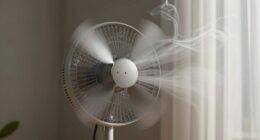
Before buying a printer cabinet, understanding proper airflow is essential. Poor ventilation can cause overheating, paper jams, and damage to internal components, leading to costly repairs and compromised print quality. Make certain the cabinet promotes good air circulation around heat-sensitive parts like ink cartridges and feed rollers; avoid tight spaces and dust buildup. Installing fans or temperature sensors helps manage heat effectively. Keep exploring to uncover tips that can keep your printer running smoothly and reliably.

Get business pricing on your home office setup
- Business-only prices and quantity discounts
- Tax-exempt purchasing
- Multiple users, one account, clear invoices
Key Takeaways
- Proper ventilation prevents overheating, extending printer lifespan and maintaining consistent print quality.
- Poor airflow leads to paper jams, ink issues, and potential component damage.
- Design cabinets with adequate space and airflow management strategies around heat-sensitive parts.
- Adding small fans and temperature sensors can significantly improve heat dissipation.
- Regular maintenance of vents and dust removal is crucial for optimal airflow and printer performance.

Proper airflow within a printer cabinet is essential to prevent overheating and guarantee the longevity of your equipment. When your printer operates without proper ventilation, heat builds up inside the cabinet, which can lead to malfunctions or even damage to internal components. You might think that simply placing your printer in a cabinet is enough, but without adequate airflow, you risk more than just overheating. Overheated printers tend to cause issues like frequent paper jams, which disrupt your workflow and can be frustrating to resolve. The heat can warp paper or cause ink cartridges to malfunction, leading to poor print quality or streaks.
Proper airflow prevents overheating, ensuring your printer functions smoothly and lasts longer.
If you neglect airflow, your printer’s internal temperature rises, making it harder for the ink cartridge to function properly. Excess heat can cause ink to dry unevenly or clog, resulting in smudged prints or the dreaded paper jam. When paper jams occur, they often seem like random issues, but heat buildup is a common underlying cause. The jam might be caused by paper sticking together or warping due to heat, which prevents smooth feeding through the rollers. To prevent this, you need a well-ventilated cabinet design that promotes air circulation around the printer, especially around areas where heat accumulates most, like near the ink cartridge and feed rollers. Additionally, ensuring proper airflow management within the cabinet can significantly improve heat dissipation. Installing adequate ventilation can also help maintain a stable internal temperature and reduce the need for frequent maintenance. Incorporating temperature regulation solutions, such as thermostats or heat sensors, can further optimize the environment inside your cabinet. Regularly monitoring the internal temperature can help catch overheating issues before they cause damage.
Furthermore, choosing the right materials for your cabinet can influence airflow efficiency, especially when combined with proper placement of the device. You should also consider the placement of your printer within the cabinet. Avoid tight spaces that trap heat, and make sure there’s enough space around your device for air to flow freely. A simple solution is to install small, quiet fans inside the cabinet, directed at key components like the ink cartridge area. This helps dissipate heat quickly and keeps the internal environment stable. Additionally, regular maintenance is crucial—cleaning dust from vents and ensuring no obstructions block airflow. Dust buildup can also trap heat, exacerbating temperature issues and increasing the likelihood of paper jams or ink problems.
In short, investing in a well-ventilated printer cabinet isn’t just about aesthetics; it’s about protecting your equipment and minimizing downtime. Proper airflow reduces the risk of overheating, which in turn prevents issues like ink cartridge drying out or clogging and minimizes paper jams caused by warping or sticking paper. Remember, a little effort in setting up good airflow can save you from endless troubleshooting and costly repairs later on. Your printer will work more efficiently, produce better quality prints, and last longer when you prioritize proper ventilation.
As an affiliate, we earn on qualifying purchases.
Frequently Asked Questions
How Often Should I Clean My Printer Cabinet’s Airflow Filters?
You should clean your printer cabinet’s airflow filters at least once every three months to guarantee ideal filter maintenance. Regular cleaning helps prevent dust buildup, which can hinder airflow and reduce cooling efficiency. Keep an eye on the filters and clean them more frequently if you notice increased dust or debris. Proper airflow enhancement relies on timely filter maintenance, so staying proactive will extend your printer’s lifespan and maintain peak performance.
Can Poor Airflow Cause Printer Overheating or Damage?
Poor airflow can definitely cause your printer to overheat or sustain damage. When airflow maintenance is neglected, heat builds up inside the cabinet, risking printer overheating and reducing its lifespan. Ensuring proper airflow helps regulate temperature, preventing malfunctions and prolonging your printer’s life. Regularly cleaning filters and checking vents are simple steps you can take to maintain ideal airflow and protect your investment from unnecessary damage.
What Are the Signs of Inadequate Airflow in a Printer Cabinet?
Your printer might be crying for help, revealing signs of inadequate airflow. You’ll notice airflow obstruction by overheating or frequent jams, and dust accumulation around vents or on printer surfaces. These issues indicate poor ventilation, risking damage. If your printer runs louder than usual, or if you see dust buildup, it’s time to check and improve airflow. Ignoring these signs can lead to costly repairs and reduced printer lifespan.
Are There Specific Airflow Requirements for Different Printer Models?
Yes, different printer models have specific airflow requirements to guarantee ideal airflow and prevent overheating. You should check the manufacturer’s guidelines for airflow optimization and printer ventilation to match your printer’s needs. Proper ventilation involves adequate space around the unit and proper airflow channels, which help keep the printer cool and functioning efficiently. Ignoring these specific requirements can lead to overheating, reduced performance, and potential damage.
How Does Ambient Room Temperature Affect Printer Cabinet Airflow?
You might think room temperature doesn’t impact your printer cabinet, but it does. Warmer temperatures can cause humidity levels to rise, leading to moisture buildup inside the cabinet. To combat this, implement effective ventilation strategies that regulate airflow, keeping temperature and humidity in check. Proper airflow ensures consistent printer performance and prevents overheating, so don’t overlook ambient room conditions when setting up your printer cabinet.
As an affiliate, we earn on qualifying purchases.
Conclusion
Think of your printer cabinet as a busy kitchen; good airflow is like a steady breeze keeping everything cool and running smoothly. When I first ignored airflow, my printer overheated and stopped working—costing me time and money. Proper ventilation isn’t just a detail; it’s the secret ingredient to longevity and performance. Don’t let poor airflow be the silent killer of your equipment. Invest in it now, and your printer will thank you for years to come.
As an affiliate, we earn on qualifying purchases.
As an affiliate, we earn on qualifying purchases.
Fall Picks
fall essentials
As an affiliate, we earn on qualifying purchases.