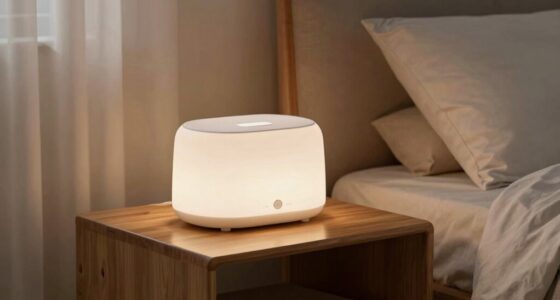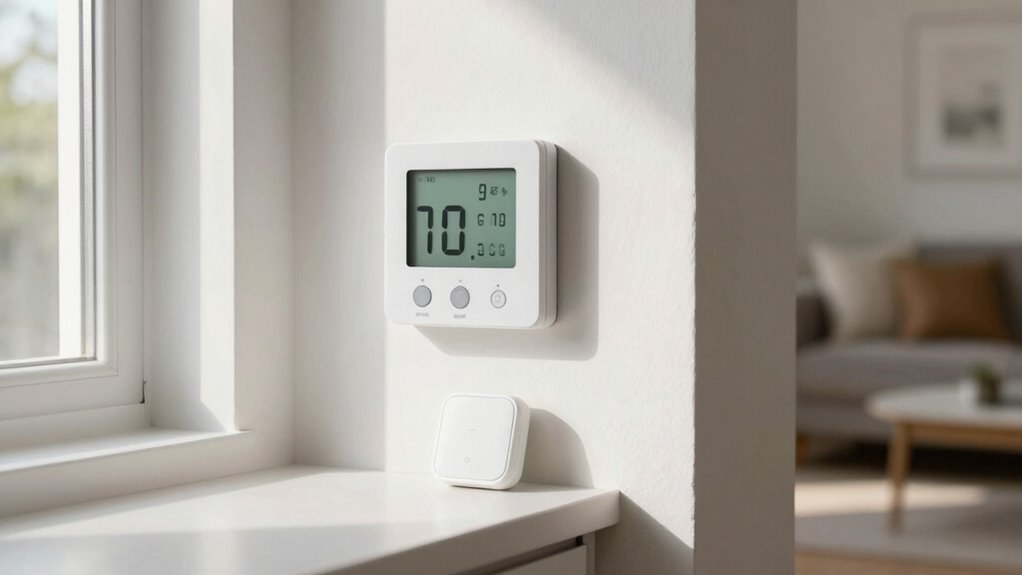

If you place your smart thermostat’s sensors near heat sources like radiators, lamps, or sunny windows, you’ll get false readings that cause your system to overheat or overcool. Avoid drafty spots, corners, and obstructed areas to guarantee accurate data. Proper placement keeps your home comfortable and saves energy. Poor sensor location leads to uneven temperatures and system issues. Keep these tips in mind, and you’ll discover how to optimize your setup for better comfort and efficiency.

Get business pricing on your home office setup
- Business-only prices and quantity discounts
- Tax-exempt purchasing
- Multiple users, one account, clear invoices
Key Takeaways
- Placing sensors near heat sources like radiators or sunlight causes false readings, leading to inefficient system responses.
- Installing sensors in drafty areas or near exterior walls results in inaccurate temperature measurements.
- Positioning sensors behind furniture or in corners restricts airflow, causing inconsistent readings.
- Mounting sensors at eye level in central locations ensures accurate detection of room conditions.
- Avoiding interference from appliances or direct sunlight maintains reliable sensor data for optimal comfort.
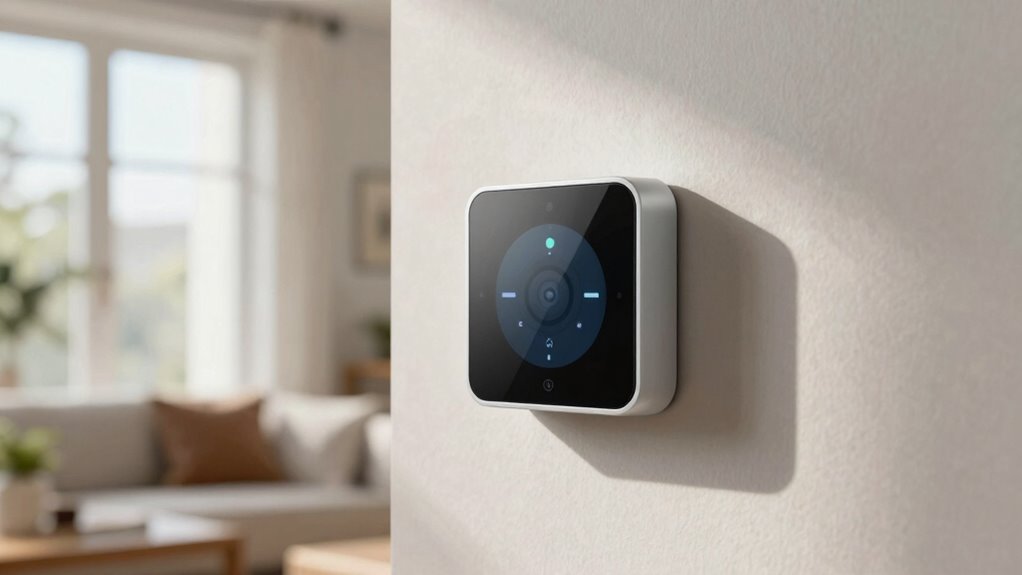
Proper placement of smart thermostat room sensors is essential for guaranteeing your heating and cooling system operates efficiently and maintains consistent comfort. When sensors are correctly positioned, they can accurately detect room conditions, allowing your system to respond appropriately. If you place sensors in the wrong spots, it can lead to energy inefficiency and discomfort, making your system work harder than necessary and leaving certain areas too hot or cold. Understanding where to put these sensors helps you harness their full potential, saving you money and improving your overall comfort.
Proper sensor placement ensures energy efficiency and consistent comfort in your home.
You should avoid placing sensors near heat sources, such as radiators, direct sunlight, or appliances like lamps and TVs. These areas can cause false readings, prompting your thermostat to unnecessarily heat or cool that part of the room. As a result, your system might turn on more often than needed, wasting energy and increasing your utility bills. Instead, position sensors in central, neutral locations where they can measure the typical temperature of the room without interference. This ensures your system responds to the actual thermal conditions, enhancing energy efficiency.
Another critical aspect is avoiding placement near drafty windows or doors. Cold drafts can make sensors read lower temperatures, leading to overcooling, while warm drafts might cause unnecessary heating. Proper placement involves choosing spots away from these disturbances to maintain consistent temperature readings. Additionally, don’t install sensors in corners or behind furniture, as these areas can trap heat or cold, skewing the sensor’s reading. Instead, aim for a spot on an interior wall at eye level, where airflow is unrestricted, and the sensor can accurately gauge the room’s ambient temperature. Correct sensor placement also helps prevent uneven heating, which can cause hot or cold spots in your home.
User comfort hinges on your sensors providing reliable data. If the sensors are poorly placed, you risk uneven heating or cooling, which can make parts of your home uncomfortable. For example, placing a sensor in a sunny spot may cause the thermostat to turn off the AC prematurely, leaving you uncomfortably warm. Conversely, placing a sensor near an exterior wall or in a drafty area might result in overcooling. By thoughtfully choosing sensor locations, you ensure your system maintains a consistent temperature throughout your space, improving overall user comfort. Additionally, understanding sensor placement and its impact on system performance helps optimize energy use and comfort levels.
smart thermostat room sensor placement
As an affiliate, we earn on qualifying purchases.
As an affiliate, we earn on qualifying purchases.
Frequently Asked Questions
Can Sensor Placement Affect Energy Savings Significantly?
Yes, sensor placement can greatly influence your energy savings. If you don’t consider room size considerations, your sensor might be placed where it doesn’t accurately reflect the temperature, leading to inefficient heating or cooling. Additionally, proper sensor calibration ensures it responds correctly. Place sensors away from drafts or direct sunlight, and calibrate them regularly to optimize energy efficiency and comfort in your home.
How Often Should I Recalibrate My Room Sensors?
You should recalibrate your room sensors at least once every six months to guarantee ideal placement accuracy and sensor calibration. Regular recalibration helps maintain accurate temperature readings, preventing your thermostat from overworking or underperforming. Keep an eye on any temperature inconsistencies or shifts in your environment, and recalibrate promptly if you notice these issues. Proper maintenance guarantees your smart thermostat functions efficiently, saving energy and enhancing comfort.
Do Different Room Sizes Require Different Sensor Types?
Ever wonder if different room sizes need different sensors? Yes, they do. Larger rooms or spaces with irregular layouts might require sensors with better coverage or specific features. Sensor calibration is essential here, ensuring accurate readings across various room sizes. Consider room size considerations carefully when choosing your sensors, and regularly recalibrate them to maintain accuracy, especially if your space changes or if you notice temperature discrepancies.
Can Multiple Sensors Improve Overall Thermostat Accuracy?
Yes, multiple sensors can improve your thermostat’s accuracy. When you add sensors, make sure they’re properly calibrated for consistent readings and sensor compatibility with your thermostat system. This setup helps you get a more accurate picture of room temperatures, especially in larger or multi-zone homes. Proper calibration prevents inconsistent data, and compatible sensors ensure seamless integration, ultimately leading to better temperature control and energy efficiency throughout your space.
What Are Signs of a Poorly Placed Thermostat Sensor?
If your thermostat sensor is poorly placed, you’ll notice inconsistent temperatures, drafts, or rooms feeling too hot or cold. You might also see frequent system cycling or inaccurate readings. To avoid this, guarantee proper sensor calibration and follow placement tips—like avoiding direct sunlight, drafts, or heat sources. Proper placement helps your smart thermostat maintain accurate readings, improving comfort and energy efficiency.
best location for smart thermostat sensors
As an affiliate, we earn on qualifying purchases.
As an affiliate, we earn on qualifying purchases.
Conclusion
Think of your smart thermostat as a maestro conducting your home’s comfort. Place sensors carefully, and it’ll harmonize the temperature perfectly. But if you mess up the setup, it’s like a conductor losing the beat — chaos takes over. So, take your time to position sensors wisely. When you do, your thermostat will perform like a well-oiled orchestra, keeping every room cozy and saving you money in the process.
smart thermostat sensor mounting kit
As an affiliate, we earn on qualifying purchases.
As an affiliate, we earn on qualifying purchases.
wireless room temperature sensor for smart thermostat
As an affiliate, we earn on qualifying purchases.
As an affiliate, we earn on qualifying purchases.
Halloween Picks
halloween
As an affiliate, we earn on qualifying purchases.