
TL;DR

Get business pricing on your home office setup
- Business-only prices and quantity discounts
- Tax-exempt purchasing
- Multiple users, one account, clear invoices
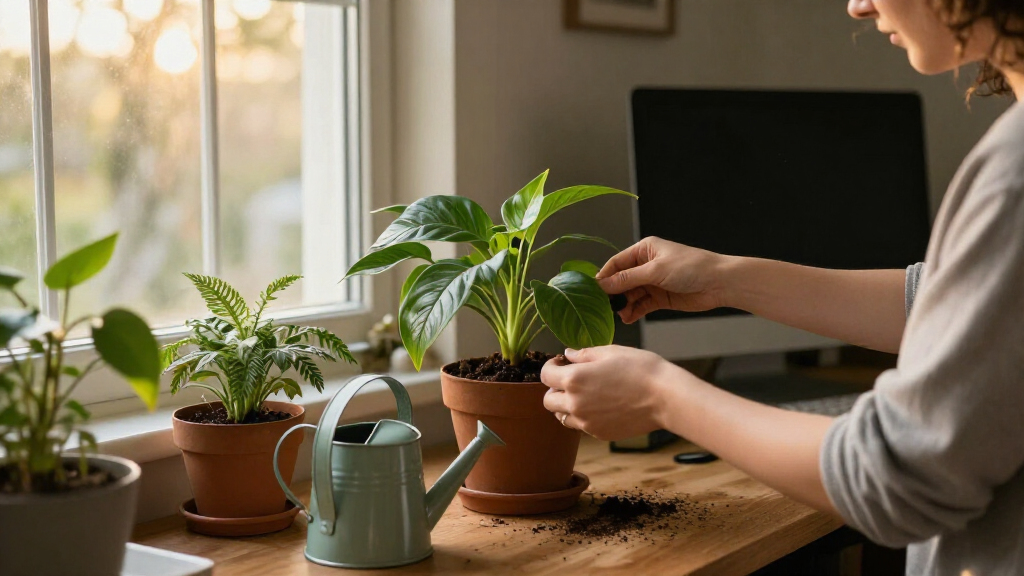
A House Beautiful report advises changing houseplant care as autumn and winter bring shorter days, cooler temperatures and drier indoor air. Its four suggested habits are to seek brighter light while avoiding drafts, reduce watering and feeding, group plants to support humidity, and wipe dust from leaves.
A House Beautiful report recommends four changes to houseplant care for autumn and winter, when shorter daylight, cooler temperatures and drier indoor air can affect plants’ conditions. The advice, attributed to Mark Sage, B&Q’s horticulture expert, is to adjust light and watering, group plants, and clean dust from leaves.
Sage advises moving plants closer to a bright window as days get darker, while keeping them away from cold drafts and radiators. He also suggests tracking where sunlight falls in the home and considering a plant light if natural light is limited. Rotating larger plants can help prevent uneven growth as they reach toward the light.
The report says plants generally need less water and feeding during slower winter growth. Sage recommends allowing soil to dry between waterings to help prevent root rot, and says winter is not the time for routine repotting. He advises giving plants a final dose of feed at the end of autumn rather than continuing regular feeding through winter.
Two further habits are to cluster plants together to create a more humid microclimate and wipe leaves with a microfibre cloth every one to two weeks. Sage says dust can limit plants’ ability to benefit from available light. He also suggests an occasional gentle shower with lukewarm water, cautioning that water that is too cold or too hot can harm roots or leaves.
Small Changes for Winter Conditions
The recommendations address conditions that change indoors as the seasons shift: less natural light and drier air from central heating. A routine suited to active summer growth may not fit plants’ slower winter growth, according to Sage’s advice. Adjusting watering and feeding can help avoid giving plants more care than they need, while checking light and airflow can help limit environmental stress.
The guidance is practical rather than a guarantee of plant health: houseplants differ in their light, water and humidity needs. The source offers general habits, not species-by-species instructions, so readers may need to adapt them to the plants and conditions in their homes.
Popular right now

Hisense 43-Inch E6 Cinema Series Hi-QLED 4K UHD Smart Fire TV (43E6QF)

Hisense 40-Inch Class QD4SR Series Hi-QLED FHD Smart Roku TV (2026 Model)

De’Longhi Classic Matte Black Espresso Machine with Milk Frother
As an affiliate, we earn on qualifying purchases.
Why Winter Care Changes
The report frames winter care as a response to seasonal changes inside the home, not simply colder outdoor weather. Shorter days can reduce the light reaching indoor plants, while heating can make indoor air drier. Cooler conditions and slower growth also mean plants may use water and nutrients differently than during summer.
House Beautiful’s recommendations center on four adjustments: improve access to light without placing plants by heat or drafts; reduce watering and feeding; group plants; and clean their leaves. The report attributes the advice to Sage and does not cite a study or provide measured outcomes for these practices.
“It’s always a good idea to move them closer to a bright window as darker days hit, but make sure to avoid cold drafts and radiators.”
— Mark Sage, B&Q’s horticulture expert, quoted by House Beautiful
Advice Varies by Plant and Home
The report does not specify how each recommendation applies to particular plant species, nor does it provide a watering schedule, temperature range or humidity target. Plant needs can differ, and the source does not establish that these habits will prevent problems in every home.
It is also unclear from the report how much benefit grouping plants or using a plant light provides under different indoor conditions. Sage’s recommendations are expert guidance as reported by House Beautiful; the article does not describe controlled tests or quantify results.
Adjust Care Through the Season
Readers can use the four habits as a starting point and monitor how their plants respond over the colder months: check the light and position, let soil dry between waterings, reduce feeding, group plants where appropriate, and remove dust from leaves regularly. The report gives no scheduled follow-up or additional milestone; its suggested routine runs through winter, with the final autumn feeding as the seasonal cutoff.
As daylight and temperatures change again in spring, care needs may shift. The source does not set out a spring schedule, so readers should reassess conditions rather than assume the winter routine applies year-round.
Key Questions
What four winter habits does the report recommend?
Move plants toward brighter light while avoiding drafts and radiators, water and feed less, group plants to support humidity, and wipe dust from leaves every one to two weeks.
Should I water houseplants more often in winter?
Not necessarily. Mark Sage says plants generally need less water during slower growth and recommends letting soil dry between waterings to help prevent root rot. The report does not give a universal schedule.
Where should I place houseplants during winter?
Sage recommends moving plants closer to a bright window if needed, while keeping them away from cold drafts and radiators. Consider how light falls in your home; the report suggests a plant light if natural light is limited.
How often should I clean houseplant leaves?
The report relays Sage’s recommendation to wipe leaves with a microfibre cloth every one to two weeks. It also mentions occasional gentle showers with lukewarm water, warning that very cold or hot water may harm plants.
Source: housebeautiful.com