
TL;DR

Get business pricing on your home office setup
- Business-only prices and quantity discounts
- Tax-exempt purchasing
- Multiple users, one account, clear invoices
A Livingetc report finds designers divided on whether butter yellow is a lasting interior color or a trend whose popularity may fade. They agree its warmth and versatility appeal to homeowners, while suggesting richer, earthier shades as possible successors as the trend cycle shifts toward 2027.
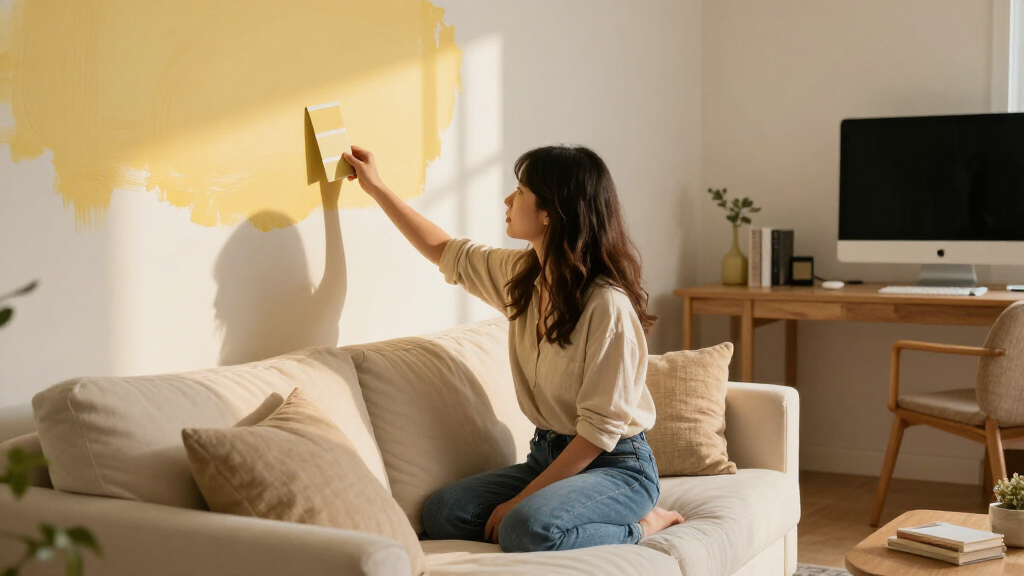
Interior designers are split on whether butter yellow will remain a lasting home color or lose ground as the trend cycle moves toward 2027, according to a Livingetc report. They describe the shade as a warm, flexible alternative to white and gray, but say its longevity depends on how it is used and whether homeowners genuinely like it.
Designers interviewed by Livingetc said butter yellow’s current appeal comes partly from its position between a neutral and a more assertive color. Its softness can bring warmth without making a room feel heavily colored, and it pairs with materials such as warm timber, natural stone, aged brass and patterned fabrics. The report frames the shade as part of a broader move away from stark whites and cool grays toward warmer interiors.
Some designers expect butter yellow to endure. Ailsa MacConnell of Edinburgh-based Studio Mac told Livingetc that the color’s softness allows it to work with many other tones and gives a room character without dominating it. Others draw a distinction between a color’s potential longevity and its current popularity: Laura Stephens said the specific butter-yellow shade is not necessarily a timeless neutral like cream or stone, particularly if it is used everywhere.
The designers also offered a practical caveat: use matters. Kelsey Coppetti of Los Angeles-based Studio Marrant said a color chosen only because it is fashionable may be dropped when another trend emerges. Color consultant Charlotte Cropper said a homeowner’s own preferences are central to whether a shade feels lasting. The report points toward deeper, warmer and earthier colors as possible successors, but does not identify one definitive replacement.
A Trend That Depends on How It Is Used
The debate matters to homeowners making choices that are costly or inconvenient to reverse, especially when painting rooms or selecting fixed finishes. The designers’ comments suggest that butter yellow need not be treated as either a guaranteed classic or a short-lived fad: the scale of its use and personal attachment may matter more than its label as a trend.
For readers weighing a renovation, the report offers a distinction between adopting a color as a temporary statement and choosing it because it suits the home. Using the shade on a smaller feature, or alongside materials and colors that can remain in place, may make it easier to adapt a room if tastes change. That is design guidance from the interviewed professionals, not a forecast backed by market data.
As an affiliate, we earn on qualifying purchases.
Why Butter Yellow Returned to Interiors
Butter yellow is not a new invention. Rachel Rector of Florida design studio Chinotto House told Livingetc that versions of the shade appear in 18th- and 19th-century European and American interiors, as well as Spanish Mediterranean, Victorian, Colonial Revival and mid-century designs. Its historical presence offers context, though it does not prove that today’s specific trend will continue.
Designers say its recent revival reflects a preference for rooms that feel softer and more welcoming after years of popularity for cool gray and bright white. The shade can read as a cream-like neutral while adding more color, a quality that may help explain its appeal. Examples in the report include Farrow & Ball’s Hay paint, used on kitchen cabinets and bedroom joinery; those projects illustrate applications rather than establish a broader trend measure.
“Butter yellow has been around for years and will be around for many more to come.”
— Ailsa MacConnell, Studio Mac, speaking to Livingetc
As an affiliate, we earn on qualifying purchases.
No Clear Successor Has Emerged
The report does not establish whether butter yellow is gaining or losing popularity through sales data, surveys or other measurements. Its outlook rests on the opinions of designers interviewed by Livingetc, who disagree on whether the shade itself is timeless. The proposed move toward earthier, deeper hues is a forecast, not confirmation that a particular color will replace it.
It is also unclear how quickly the current trend may change, or whether the color’s use will shift from larger surfaces to accents. The source does not provide a defined timeline or a single consensus among designers. Homeowners’ preferences, room conditions and choices of materials may lead to different outcomes.
As an affiliate, we earn on qualifying purchases.
Watch for Warmer, Earthier Palettes
Livingetc’s report looks ahead to 2027, when designers expect interest to broaden toward colors with more depth, warmth and earthiness. The publication does not name a confirmed successor or give a schedule for a shift. Any change is presented as a direction to watch rather than a settled forecast.
For now, the designers’ advice is to judge butter yellow by how it works in a particular home, not solely by its current visibility in interiors coverage. Whether the shade remains in a room will depend on individual taste and the way it is combined with other colors and materials; the next phase of the trend remains uncertain.
As an affiliate, we earn on qualifying purchases.
Key Questions
Is butter yellow a timeless interior color?
Designers disagree. Some say its softness and versatility give it staying power; others caution that the specific shade is less timeless than classic neutrals such as cream or stone.
Why has butter yellow become popular in homes?
Designers interviewed by Livingetc say it brings warmth without overwhelming a room and can work as a color-rich alternative to bright white or cool gray.
What colors could follow butter yellow?
The report points to shades with more depth, warmth and earthiness as possible successors, but it does not identify a specific replacement.
How can homeowners use butter yellow without overcommitting?
The designers recommend considering how much of the color to use and whether it is a shade the homeowner genuinely likes. The report notes that its use can evolve, but does not prescribe a single approach for every room.
Source: rss
Halloween Picks
halloween
As an affiliate, we earn on qualifying purchases.